Plumbing problems rarely stay small on their own. A slow drip can turn into water damage, a minor clog can become an overflow, and inconsistent water pressure can make daily routines frustrating. The most common issues also tend to be the ones that repeat, especially in busy households where fixtures, drains, and appliances get constant use. Knowing what these problems look like, what typically causes them, and when to call plumbers can help you respond faster and limit disruption.
1) Clogged Drains
Clogged drains are one of the most frequent complaints in kitchens, bathrooms, and laundry rooms. Hair, soap residue, grease, food scraps, and paper products can build up over time, narrowing the drain line until water starts pooling or draining slowly.
You might notice gurgling noises, recurring odors, or backups that keep returning even after basic plunging. While a quick surface clear can help temporarily, persistent clogs often indicate buildup deeper in the line or a partial blockage in a main drain. When clogs spread to multiple fixtures or keep coming back, plumbers can clear the obstruction more thoroughly and help identify why it is recurring.
2) Leaky Faucets And Fixtures
A dripping faucet may not seem urgent, but it can waste water and gradually damage finishes around sinks and tubs. Leaks often come from worn washers, damaged cartridges, loose connections, or corroded valve seats inside the fixture. You might also see water collecting around the base of a faucet, under a sink, or along the edge of a tub spout. Over time, even small leaks can contribute to cabinet swelling, warped flooring, and mold growth in hidden areas. If tightening a fitting does not solve it, plumbers can replace worn internal parts, restore a proper seal, and confirm that the fixture is not leaking from multiple points.
3) Running Toilets
A toilet that keeps running after a flush is one of the most common sources of water waste in a home. The issue is usually inside the tank, such as a worn flapper that does not seal, a float that is set too high, or a fill valve that no longer shuts off cleanly. Sometimes the chain gets tangled or the flush handle does not return to its resting position, keeping the flapper slightly open. You may hear the tank refilling on its own or notice the bowl water level changing without use. Plumbers can diagnose which tank component is failing, replace the right parts, and adjust the settings so the toilet shuts off reliably.
4) Low Water Pressure
Low water pressure can feel like a whole-house issue, but the cause varies based on where it is happening. If only one faucet is affected, a clogged aerator, a failing cartridge, or mineral buildup may be restricting flow. If multiple fixtures are weak, the problem could involve a partially closed shutoff valve, a failing pressure regulator, or buildup inside older pipes. In some cases, hidden leaks can also reduce pressure, because water is escaping before it reaches fixtures. When pressure drops suddenly or continues to decline, plumbers can test pressure at key points, isolate the cause, and recommend repairs that restore steady flow without guessing.
5) Water Heater Problems
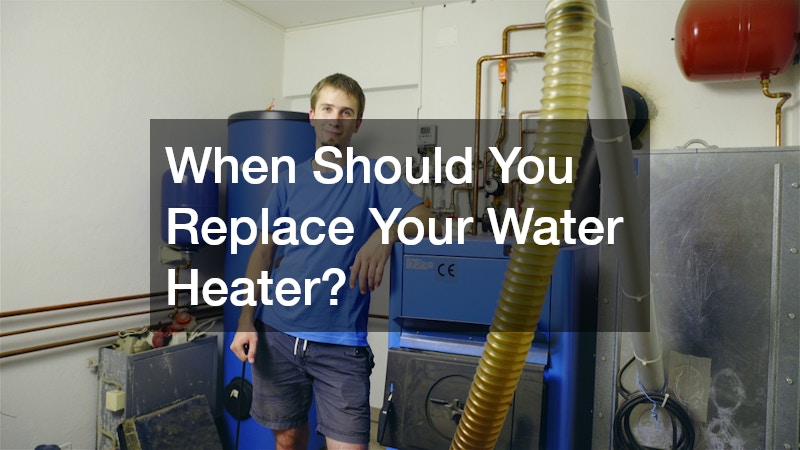
When a water heater is not working properly, it affects showers, dishes, laundry, and overall comfort. Common symptoms include lukewarm water, hot water that runs out too quickly, discolored water, strange popping sounds, or water pooling near the tank. For traditional tank units, sediment buildup can reduce efficiency and cause noisy operation. Faulty heating elements, failing thermostats, and worn valves can also interfere with consistent temperature. Because water heaters involve electricity or gas, and sometimes high-pressure components, it is smart to treat problems carefully. Plumbers can inspect the unit, identify whether the issue is repairable, and help prevent small failures from turning into leaks or total breakdowns.
A Few Signs It Is Time To Call For Help
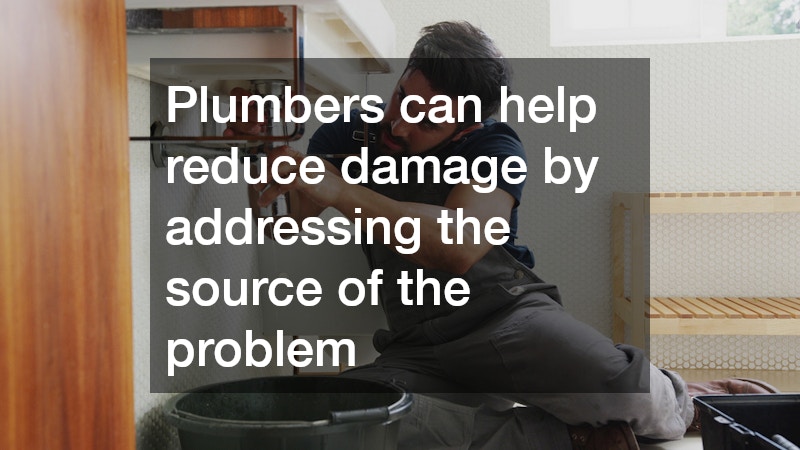
Some plumbing issues can be managed briefly with basic troubleshooting, but certain warning signs deserve quick attention. Water stains on ceilings or walls, musty odors, recurring drain backups, or unexplained spikes in your water bill can point to hidden leaks or worsening clogs. If you cannot stop a leak at a shutoff valve, or if you see water near electrical outlets or appliances, it is best to act quickly. In these situations, plumbers can help reduce damage by addressing the source of the problem and checking for related issues that might not be obvious.