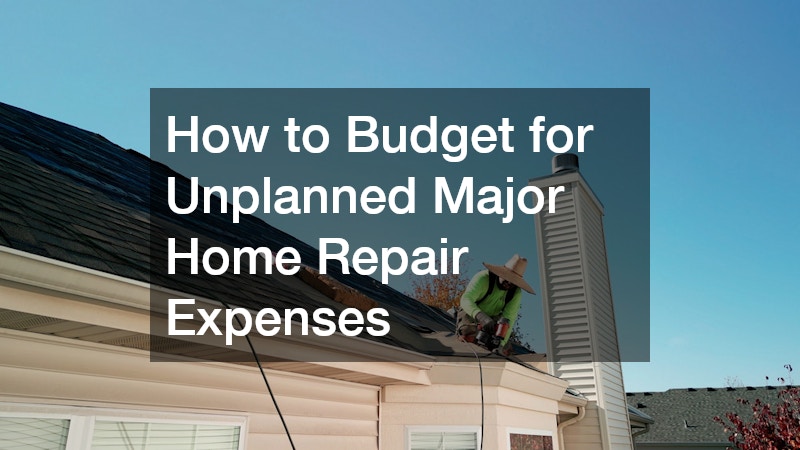
Owning a home offers stability, equity, and a space to call your own, but it also carries an undeniable truth: eventually, something expensive will break. One day you are enjoying a quiet weekend, and the next, a dark spot appears on the living room ceiling, or a strange metallic screech echoes from the basement. Major household repairs rarely announce themselves in advance. They arrive at inconvenient moments, usually when work is busy, holidays are approaching, or finances are already stretched tight.
When structural components or major mechanical systems fail without warning, the financial shock can be devastating. Homeowners who lack a dedicated strategy often turn to high-interest credit cards, personal loans, or emergency withdrawals from retirement accounts. This reactive approach transforms a manageable household inconvenience into years of compounding financial stress. Making panicked decisions during a crisis also makes it harder to evaluate costs objectively, leaving you vulnerable to inflated quotes or subpar workmanship.
Preparing for these inevitable disruptions does not require fortune-telling. It requires shifting your mindset from reactive panic to proactive management. By understanding how housing systems wear down, how to set aside realistic financial reserves, and how to triage repairs when crisis strikes, you can protect both your property’s physical integrity and your long-term financial health.
Estimating Capital Reserve Requirements
Calculating Reserve Baseline Numbers
Financial advisors often recommend saving between one and four percent of your home’s purchase price each year for maintenance and repairs. While this rule of thumb offers a convenient starting point, it fails to account for the actual condition of your property. A newly constructed 1,500-square-foot home requires far less immediate capital than a 100-year-old Craftsman of the same market value. A more accurate approach combines overall square footage with a realistic assessment of the building’s physical age.
To build a reliable baseline, calculate roughly one dollar per square foot for newer homes, and scale up to three or four dollars per square foot for properties older than twenty years. Adjust this number upward if you live in a region exposed to harsh weather conditions, such as freeze-thaw cycles, coastal salt air, or intense summer heatwaves. These environmental factors accelerate the wear and tear on external surfaces and critical mechanical infrastructure.
Auditing Major System Lifespans
Rather than relying solely on generalized formulas, walk through your property with a notebook and audit the age of your primary infrastructure. Take time to examine the structural elements, climate control systems, and baseline utilities that keep the household functional.
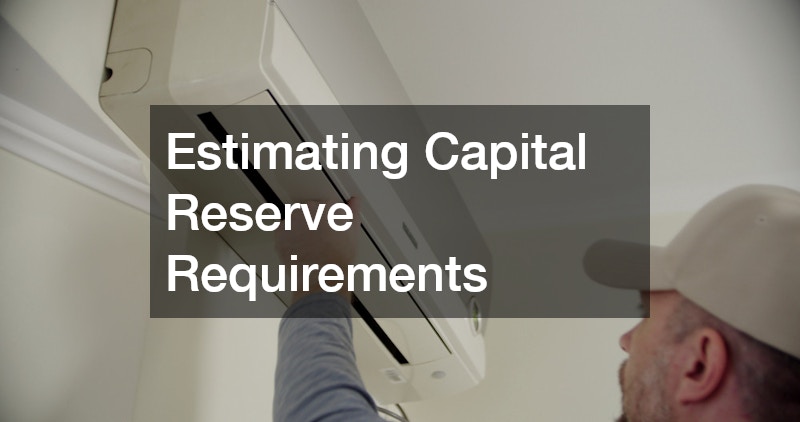
Inspect the external shelter components, paying close attention to material decay, flashing stability, and surface wear. Knowing whether your roof shingles are five years old or twenty-two years old completely changes your short-term savings targets. Check the manufacture dates printed on your heating and cooling equipment. Most heating units and central air systems have an average service life of fifteen to twenty years, meaning an aging setup warrants an immediate uptick in your monthly savings rate. Document the age of appliances, water heaters, and electrical panels.
When evaluating structural longevity, consulting qualified roofing services can provide clarity on whether a total overhaul is imminent or if localized maintenance will buy you a few more years. Likewise, bringing in an experienced HVAC contractor to assess aging climate control systems gives you a clear window for when unit replacement becomes unavoidable. Knowing these timelines converts unpredictable disasters into scheduled financial events.
Triaging Critical Maintenance Failures
Imagine waking up on a freezing January morning to the sound of rushing water. You run downstairs to find three inches of standing water in the utility room because an aging storage tank finally gave out. In that moment, you are not thinking about long-term financial planning; you are dealing with an active emergency. Distinguishing between genuine emergencies and manageable delays is the key to preserving both your home and your bank balance.
When an unplanned issue is identified, the first question to ask is whether there is active, ongoing damage or an immediate safety threat. If the answer is yes, you are facing a Tier 1 emergency. In these scenarios, the primary goal is stopping the damage immediately. Emergency repairs are those that threaten human safety or cause escalating structural damage if ignored. An active plumbing burst, severe roof damage after a storm, or a complete loss of heat in sub-zero temperatures fall into this category. These issues demand immediate intervention, regardless of cost, because waiting twenty-four hours will easily double or triple the final repair bill through secondary water or structural damage. In these moments, calling an emergency restoration contractor immediately stops environmental destruction from spreading into living spaces.
If there is no active threat or immediate danger, the issue falls into Tier 2 deferred maintenance. Non-emergency issues can be deferred until cash flow permits and allow time to gather multiple competitive quotes. A cracked window pane that still seals out weather, a noisy dishwasher, or minor plumbing drips belong in this second tier. When an urgent issue like a failing unit prompts a search for water heater repair, your focus should strictly remain on stabilizing the primary system before taking on optional upgrades or secondary maintenance. Triage allows you to channel limited emergency funds where they do the most good, preserving cash for true structural hazards.
Building Dedicated Financial Buffers
Setting Up Dedicated High Savings Accounts
Lumping home repair money into a general savings account is a recipe for accidental spending. When emergency funds mix with vacation savings or everyday cash, it becomes far too easy to talk yourself into misallocating those dollars. The most effective structure relies on a dedicated, high-yield savings account isolated from your primary checking institution.
By keeping these funds at a separate bank, you introduce a healthy barrier to impulse spending. Automate transfers into this account on every payday, treating your home reserve fund as a non-negotiable recurring bill, identical to your mortgage or trash service.
Structuring Sinking Funds for Equipment End of Life
While an emergency fund covers unpredictable failures, sinking funds address predictable deterioration. Every major system in your house is slowly wearing out. By estimating the remaining lifespan of high-ticket items, you can calculate precisely how much money to save each month to pay for their inevitable replacement in cash.
Suppose you purchase a home knowing the driveway requires complete resurfacing within five years, and the central cooling system is nearing the end of its useful life. Rather than waiting for total failure, set up specific sub-accounts for each project. Contacting a reputable paving company for an early estimate allows you to break a four-thousand-dollar asphalt job into a manageable sixty-six dollars a month over five years.
Similarly, saving incrementally toward a future ac install ensures that when the cooling unit finally quits during a July heatwave, the capital is sitting ready in a designated account. You avoid high-interest debt entirely because you transformed a sudden catastrophe into a pre-funded purchase.
Managing Seasonal Mechanical Systems
Proactive Maintenance as Financial Protection
A sudden mechanical breakdown is rarely as sudden as it seems. In most cases, mechanical systems give off subtle warning signs—unusual noises, reduced efficiency, or minor fluid leaks—weeks or months before failing completely. Ignoring these minor indicators usually converts a small, inexpensive fix into a complete system breakdown.
Regular maintenance acts as a financial shield against major capital losses. Servicing machinery before peak operational stress seasons removes strain on internal components, extending overall operational life. A structured approach moves systematically across the calendar: during the spring, focus on servicing cooling equipment and inspecting outdoor utility connections; during the summer, monitor lines and fluid levels; during autumn, drain external water systems and clear external air pathways. Spending a modest amount on routine servicing prevents catastrophic wear, protecting your cash reserves from sudden drains.
Allocating Funds for Specialty Mechanical Upkeep
Specialty amenities and outdoor mechanical installations require their own secondary maintenance strategies. Outdoor mechanical systems are exposed to harsh temperature swings, moisture, and debris, making them prone to unexpected breakdowns during peak usage months.
Scheduling pre-season inspections for summer systems before heat spikes hit pays massive dividends. Paying for a timely ac repair in late spring prevents expensive surge pricing and emergency call-out fees during mid-summer peak demand. Similarly, budgeting for routine mechanical tune-ups on specialized equipment is critical. Engaging a professional pool repair service to replace worn seals or clear pump lines in early spring avoids sudden pump motor burnouts in August. Keeping a small seasonal reserve fund earmarked specifically for external utility lines and seasonal equipment adjustments ensures outdoor breakdowns feel like routine operating expenses rather than unexpected emergencies.
Preserving Core Infrastructure Elements

Several years ago, a homeowner I knew bought a charming 1970s ranch-style house. During their first winter, they noticed a faint, musty smell every time the heating system kicked on. They ignored it, assuming it was just the smell of an old house waking up for the season. Two months later, severe allergies developed, and a thorough inspection revealed that moisture had leaked into the subfloor air lines, creating a hidden breeding ground for mold. The resulting cleanup required unexpected remediation that completely drained their holiday savings.
Maintaining clean air flow and secure access points requires proactive attention. The ductwork running through your crawlspaces, attics, and walls silently distributes air throughout your home. When hidden moisture, pest activity, or dust build-up compromises these pathways, addressing the problem quickly prevents severe health risks and expensive structural repairs down the road. Earmarking funds for thorough duct cleaning after major home incidents or structural repairs protects indoor air quality and keeps your climate systems working efficiently.
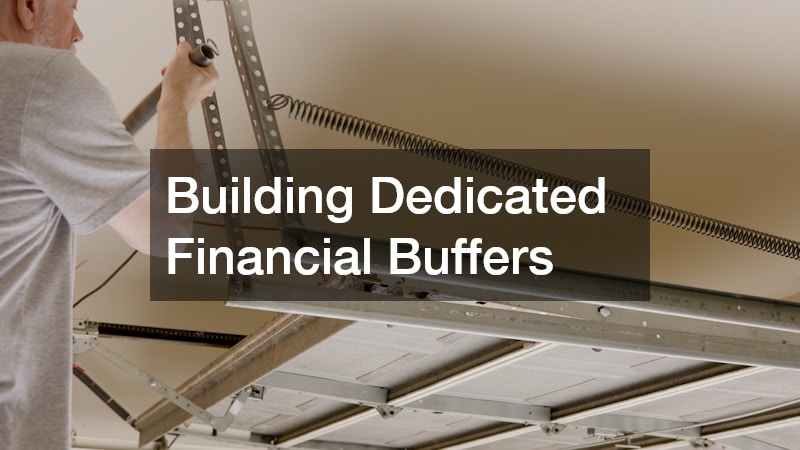
Access infrastructure requires similar diligence. A complete safety and accessibility inspection should monitor both air quality pathways and access control mechanisms. Checking springs, cables, and motor assemblies on primary entryways prevents sudden lockouts. Your garage door system, for example, is the largest moving mechanical component in your home, functioning under immense spring tension and heavy daily use. When internal gears strip or safety sensors fail, it locks vehicles inside or leaves your home vulnerable to weather and intruders. Reserving cash for sudden repairs to your garage door opener keeps your home secure and daily routines running smoothly without forcing you to pull funds from long-term capital accounts.
Evaluating Alternative Funding Sources
Even the best financial plans can fail if multiple home systems break down at the same time. If your roof develops a leak, your water heater fails, and your main sewer line breaks all within the same six-month window, your emergency reserves will likely run dry. When savings are not enough, choosing the right financing method is critical to avoiding long-term financial harm.
Leveraging Home Equity Lines of Credit
A Home Equity Line of Credit is usually the best backup option for major structural repairs. Because this type of loan is secured by the equity in your property, it offers significantly lower interest rates than credit cards or personal loans. It functions like a credit card: you are approved for a maximum borrowing limit and pay interest only on the money you actually draw.
Establishing a home equity line ahead of time—even if you do not plan to use it immediately—provides a reliable safety net for major home disasters. If a massive, unexpected repair exceeds your liquid savings, you can draw from the line of credit right away, then pay it down systematically without disrupting your monthly budget.
Assessing Contractor Financing Programs
Many large service firms offer in-house financing options, often advertised as zero-percent interest for twelve to thirty-six months. These programs can be helpful, but they require careful reading of the fine print.
Most zero-percent contractor offers use deferred interest terms. If you pay off the full balance before the promotional period ends, the loan costs you nothing extra. However, if you miss the deadline by even a few days or leave a tiny balance unpaid, interest is applied retroactively to the original loan amount at high annual rates. Only use contractor financing if you have a guaranteed payment plan to settle the balance well before the promotional rate expires.
Exploring Utility Assistance Options
Local, state, and federal programs often offer grants, low-interest loans, or rebates for repairs that improve safety, energy efficiency, or structural integrity. State housing authorities frequently provide low-interest loans to low- and moderate-income families needing emergency structural fixes, hazardous electrical work, or plumbing overhauls.
Local utility companies also offer financial incentives or low-cost financing for replacing old, inefficient climate control systems with high-efficiency units. Before taking on high-interest private debt for a major repair, check with your local government housing authority and utility providers to see what assistance programs are available in your area.
Securing Long Term Household Balance

Unexpected home repairs do not have to disrupt your financial future. The panic surrounding sudden household breakdowns rarely comes from the mechanical issue itself; it comes from the sudden threat to your bank account and feeling unprepared to handle the bill. By shifting your approach from reactive emergency response to deliberate financial management, you regain control over your home and your budget.
Building a dedicated emergency fund, setting up targeted sinking accounts for aging equipment, and staying on top of routine maintenance transforms unpredictable home disasters into manageable routine costs. When unexpected issues do happen, taking a structured approach to triaging repairs keeps minor problems from turning into financial crises.
Your home is one of the largest financial investments you will ever make. Protecting that investment requires more than just calling for help when something breaks; it requires building a reliable financial foundation that keeps your property safe, functional, and secure for years to come. Start small, automate your savings, inspect your primary systems regularly, and turn the threat of unexpected home repairs into a problem you are fully prepared to solve.