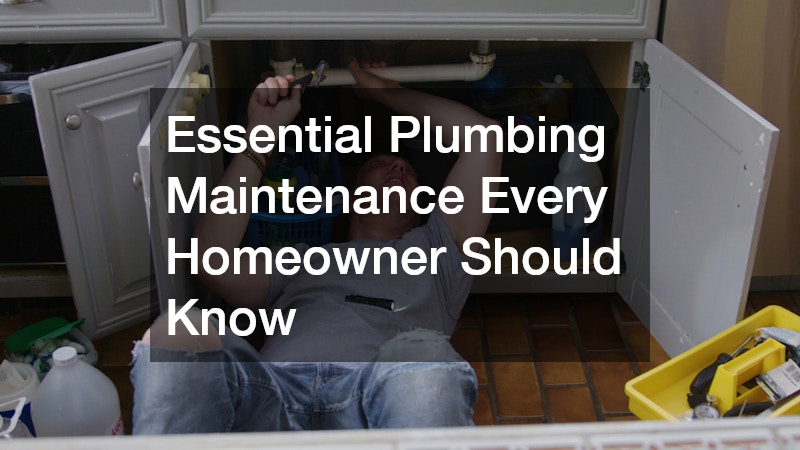
Plumbing is one of the most critical systems in any home, yet it’s also one of the most commonly overlooked. Pipes, drains, and fixtures work quietly in the background, often taken for granted until something goes wrong. When problems surface, they tend to arrive suddenly, disrupt daily routines, and create stress that could have been avoided with proper care. For homeowners, understanding basic plumbing maintenance isn’t about becoming an expert-it’s about knowing what to watch for, what to do regularly, and when to seek professional help.
Preventive plumbing maintenance saves money, protects property, and reduces the likelihood of unexpected disruptions. Small issues like slow drains or minor leaks may seem harmless at first, but they often signal deeper problems that worsen over time. With consistent attention and informed decision-making, homeowners can extend the life of their plumbing systems, maintain reliable performance, and avoid unnecessary emergencies. The sections below break down essential maintenance practices in a clear, practical way, empowering you to protect one of your home’s most valuable systems.
Many homeowners don’t realize that plumbing problems rarely happen without warning. Subtle changes in water pressure, unusual sounds, or minor performance issues often appear long before serious damage occurs. Learning to recognize these early indicators allows homeowners to take action while solutions are still affordable and minimally disruptive. In addition, regular maintenance helps households plan ahead, spreading costs over time instead of facing large, unexpected expenses.
This guide is designed to support homeowners at every experience level. Whether you’re maintaining an older home or caring for a newer property, the principles remain the same: stay observant, act early, and make informed decisions. With the right approach, plumbing care becomes a practical part of responsible homeownership rather than an overwhelming or confusing task.
Keep Household Drains Flowing Smoothly Year-Round
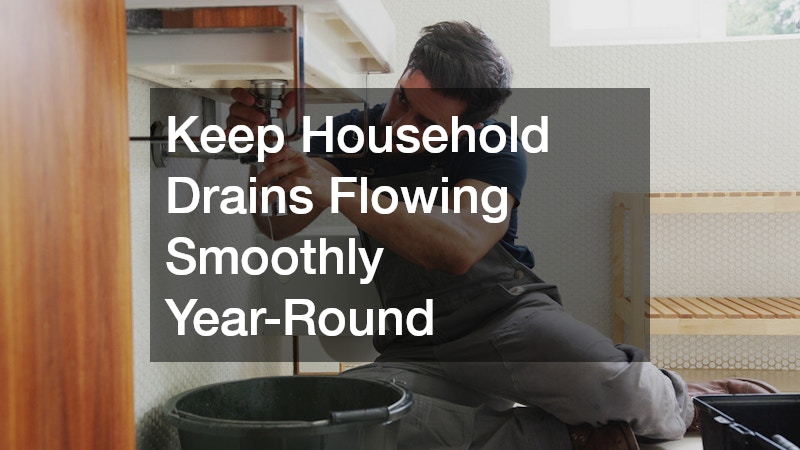
Drains are used every day, yet they receive little attention until water stops flowing the way it should. Sinks, tubs, showers, and floor drains all collect debris over time, and even small amounts of buildup can affect performance. Routine care helps prevent backups, odors, and long-term damage while keeping your plumbing operating efficiently.
One of the most important habits homeowners can develop is regular drain cleaning. This doesn’t mean harsh chemicals or aggressive methods-it means consistent, gentle upkeep that prevents buildup before it becomes a blockage. Hair, soap residue, grease, food particles, and mineral deposits all accumulate gradually, narrowing pipes and slowing drainage.
Establishing a maintenance routine also helps homeowners notice subtle changes early. Slower drainage, occasional gurgling sounds, or mild odors often appear long before a complete blockage forms. Addressing these early warning signs allows homeowners to intervene while solutions are still simple and affordable. Over time, consistent care not only improves performance but also reduces stress, prevents unexpected messes, and extends the lifespan of the drainage system.
Effective drain care habits include:
- Using drain strainers in sinks, tubs, and showers
- Avoiding pouring grease, oils, or coffee grounds down drains
- Running hot water after heavy sink use to flush residue
- Periodically flushing drains with hot water and mild solutions
- Cleaning bathroom drains more frequently due to hair buildup
While routine cleaning prevents many problems, homeowners should also recognize when maintenance isn’t enough. Recurring clogs, slow drainage across multiple fixtures, or foul odors can indicate deeper structural issues. In these cases, drain repair may be necessary to address cracked pipes, collapsed sections, or misaligned connections that trap debris.
Warning signs that deeper issues may exist include:
- Frequent clogs in the same fixture
- Gurgling sounds from drains
- Water backing up in unexpected locations
- Persistent sewer-like smells
- Standing water near floor drains
Ignoring these signs can lead to worsening damage, including pipe corrosion and water intrusion. By pairing routine upkeep with awareness of warning signs, homeowners can maintain reliable drainage while avoiding larger problems down the road.
Protect Pipes From Leaks, Freezing, and Corrosion
Pipes form the backbone of your plumbing system, carrying water throughout the home and safely removing waste. Because much of this network is hidden behind walls or beneath floors, pipe problems often go unnoticed until damage becomes visible. Preventive maintenance focuses on early detection and seasonal protection to reduce costly failures.
Pipe repairs are most manageable when issues are identified early. Small leaks, corrosion, or loose connections can often be addressed quickly before they cause structural damage or mold growth. Homeowners should regularly inspect exposed pipes under sinks, in basements, crawl spaces, and utility rooms.
Regular inspections also help homeowners become familiar with what “normal” looks like, making it easier to spot changes over time. Even subtle signs, such as faint moisture, slight discoloration, or unusual sounds when water is running, can indicate developing issues behind walls. Addressing these warning signs promptly can prevent water damage, preserve indoor air quality, and reduce the likelihood of emergency repairs. Consistency is key; brief monthly checks are far more effective than occasional, rushed inspections.
Signs of developing pipe problems include:
- Damp cabinets or flooring
- Discoloration or rust on exposed piping
- Fluctuating water pressure
- Unexplained increases in water bills
- Musty odors near walls or floors
Seasonal maintenance is particularly important in climates with temperature extremes. Freezing temperatures can cause pipes to expand and burst, while heat can accelerate corrosion. Preventive steps include:
- Insulating exposed pipes in unheated areas
- Sealing air leaks near plumbing penetrations
- Draining outdoor faucets before winter
- Monitoring pressure levels year-round
While some minor fixes can be handled by homeowners, many situations require professional expertise. A licensed plumber can accurately diagnose hidden issues, ensure repairs meet code requirements, and prevent recurring failures caused by temporary fixes.
Professional support is especially important when:
- Pipes are located behind walls or under slabs
- Corrosion affects multiple sections
- Leaks involve main supply lines
- Water pressure problems persist
- Previous repairs have failed
Consistent monitoring and timely professional intervention keep your piping system reliable, efficient, and protected from long-term damage.
Maintain Water Heating Systems for Performance and Efficiency
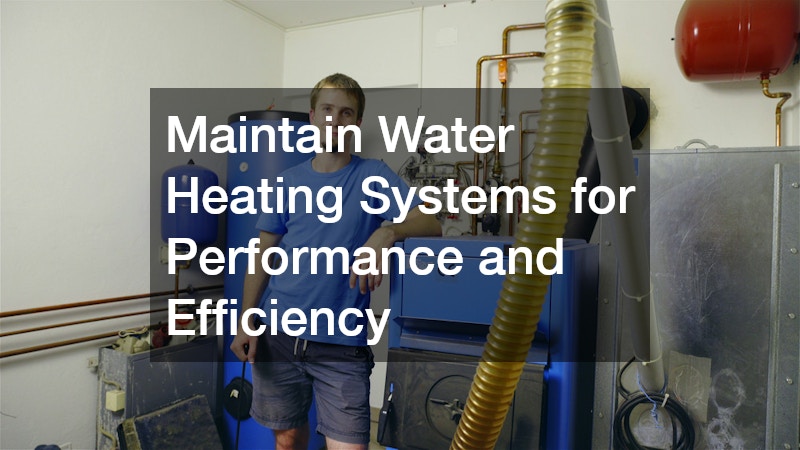
Hot water plays a vital role in daily comfort, from bathing to cleaning and cooking. Yet water heating systems often operate for years without attention, slowly accumulating sediment and wear that reduce efficiency. Regular maintenance helps ensure consistent performance while extending the system’s lifespan.
Basic water heater services include flushing sediment, inspecting valves, and checking temperature settings. Sediment buildup inside tanks reduces heating efficiency and can lead to premature failure. Homeowners should be aware of their system type and follow maintenance schedules appropriate to their equipment.
Routine maintenance also improves safety and energy efficiency. Poorly maintained systems may overheat, build excess pressure, or consume more energy than necessary, increasing utility costs. Paying attention to early warning signs, such as fluctuating water temperatures, unusual noises, or slower recovery times, allows homeowners to address issues before they escalate. Even small adjustments, like maintaining proper temperature settings, can improve performance and reduce strain on internal components over time.
Routine maintenance tasks may include:
- Flushing sediment annually
- Inspecting the pressure relief valve
- Checking for corrosion around fittings
- Monitoring water temperature settings
- Listening for unusual noises during operation
Efficiency declines gradually, making issues easy to overlook. Signs that maintenance or evaluation is needed include:
- Inconsistent water temperature
- Reduced hot water supply
- Discolored or rusty water
- Increased energy bills
- Unusual rumbling or popping sounds
When systems require more advanced attention, working with a qualified water heater contractor ensures safety and compliance. Improper handling of heating elements, gas lines, or electrical connections can pose serious risks, making professional service essential for complex repairs or replacements.
Professional evaluation is recommended when:
- Systems exceed recommended lifespan
- Major components fail
- Efficiency drops significantly
- Safety valves malfunction
- Upgrades are being considered
Regular care keeps hot water systems dependable, efficient, and safe for everyday use.
Prevent Sewer Line Failures and Property Damage
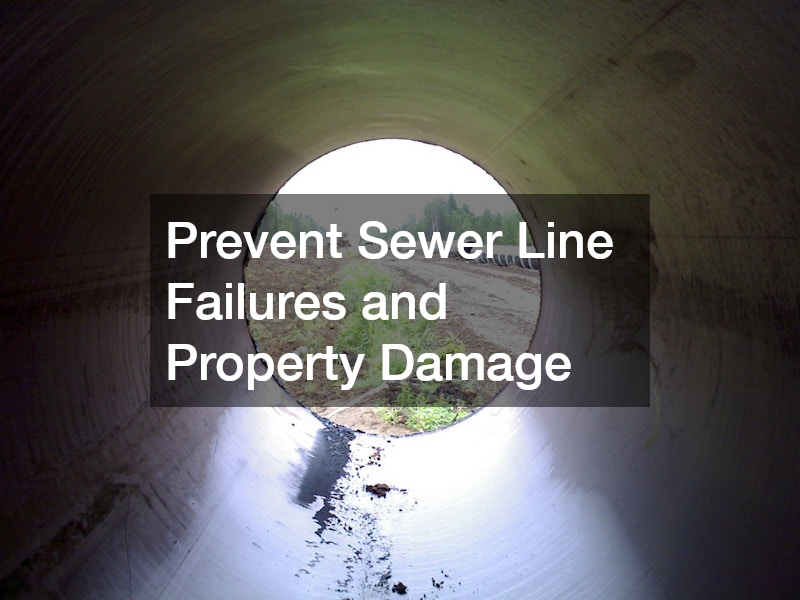
Sewer lines quietly transport waste away from your home, but when problems arise, the consequences can be severe. Blockages, breaks, or collapses can cause backups that damage floors, walls, and landscaping. Preventive attention helps homeowners avoid disruptive and costly failures.
Sewer repair becomes necessary when underground pipes deteriorate due to age, shifting soil, or root intrusion. Tree roots naturally seek moisture and can infiltrate small cracks, gradually expanding and blocking flow. Improper disposal habits also contribute to buildup that stresses sewer lines.
Common causes of sewer problems include:
- Tree root intrusion
- Aging or brittle piping materials
- Improper waste disposal
- Soil movement or settling
- Excessive grease accumulation
Early warning signs should never be ignored. These may include:
- Multiple drains backing up simultaneously
- Persistent sewer odors indoors or outdoors
- Gurgling sounds from toilets or drains
- Slow drainage throughout the home
- Wet patches in the yard near sewer lines
Partnering with a sewer service company allows homeowners to address issues with specialized tools, such as camera inspections and trenchless repair techniques. These methods reduce disruption while providing accurate diagnosis and durable solutions.
Proactive inspections help:
- Detect issues before major failure
- Prevent contamination and health risks
- Protect landscaping and foundations
- Reduce long-term repair costs
- Extend the lifespan of sewer infrastructure
Consistent monitoring and early intervention protect both property and peace of mind.
Safeguard Septic Systems With Regular Oversight
Homes that rely on septic systems require a different maintenance approach than those connected to municipal sewer networks. Septic systems handle waste on-site, making proper care essential for health, safety, and system longevity. Neglecting routine oversight increases the risk of contamination and system failure.
A septic inspection service plays a critical role in identifying developing issues such as tank overload, drain field saturation, or component wear. Regular inspections help homeowners understand system condition and take corrective action before problems escalate.
Responsible septic maintenance includes:
- Scheduling routine inspections
- Pumping tanks at recommended intervals
- Avoiding non-biodegradable materials
- Managing water usage responsibly
- Protecting drain fields from vehicle traffic
Warning signs of septic trouble include:
- Slow drains throughout the home
- Sewage odors indoors or outdoors
- Pooling water near drain fields
- Lush grass growth over system areas
- Gurgling plumbing fixtures
Septic failures can escalate quickly and pose health hazards, making preparation essential. Knowing when to call emergency plumbing services ensures a rapid response when urgent situations arise, such as backups, overflows, or suspected contamination. Delaying action in these scenarios can lead to environmental damage, exposure to harmful bacteria, and costly cleanup efforts. Homeowners should familiarize themselves with the warning signs of system distress, including unusual odors, pooling water, or sudden changes in drainage performance. Having a response plan in place, such as knowing access points, keeping service contact information readily available, and acting at the first sign of trouble, can significantly reduce damage. Quick, informed action protects not only the home but also the health and safety of everyone inside.
Emergency planning should include:
- Knowing system layout and access points
- Keeping inspection records accessible
- Understanding emergency shutdown procedures
- Having professional contact information available
- Acting immediately when warning signs appear
Proper septic oversight protects water quality, safeguards property, and ensures long-term system reliability.
Plumbing maintenance is one of the most valuable responsibilities a homeowner can take seriously. While plumbing systems are designed to be durable, they are not immune to wear, environmental conditions, or daily use. Consistent attention, early detection, and informed decision-making allow homeowners to prevent small issues from becoming major disruptions.
By developing routine habits, recognizing warning signs, and understanding when professional help is necessary, homeowners gain greater control over their property’s reliability and safety. Preventive maintenance not only reduces costs but also protects comfort, health, and long-term home value. With the right approach, plumbing care becomes a manageable, proactive process rather than a stressful reaction to unexpected problems.
Just as importantly, regular maintenance builds confidence. Homeowners who understand how their systems function are better equipped to make smart decisions under pressure, avoid panic during unexpected situations, and communicate more effectively with service professionals when help is needed. This knowledge empowers homeowners to act early, schedule maintenance strategically, and prioritize upgrades before failures occur.
Over time, these small efforts add up. Homes with well-maintained systems experience fewer disruptions, lower repair expenses, and greater overall efficiency. Instead of reacting to leaks, backups, or equipment failures, homeowners can focus on preserving the comfort and functionality of their living space. By treating plumbing care as an ongoing responsibility rather than an occasional task, homeowners create a safer, more resilient home that supports everyday life with fewer surprises and greater peace of mind.