Maintaining a home is a year-round responsibility that goes far beyond cleaning and decorating. Proper upkeep ensures comfort, safety, and longevity of your property, while neglecting maintenance can lead to costly repairs, energy inefficiency, and even health hazards. From roofing and plumbing to HVAC and exterior systems, a proactive approach helps homeowners avoid emergencies and protects the overall value of their property.
Home systems work together to create a safe, functional, and comfortable living environment. Seasonal changes, weather events, and everyday wear and tear can all compromise the efficiency and durability of these systems if they are not properly cared for. By adopting a structured, comprehensive maintenance plan, homeowners can identify small problems early, prioritize essential repairs, and schedule professional services when needed.
This guide provides practical, actionable tips for maintaining your home year-round. It covers everything from roofing inspections and AC maintenance to plumbing checks, driveway upkeep, fence care, garage door functionality, and septic system management. Each section is designed to give homeowners the knowledge and strategies needed to keep their property safe, efficient, and in excellent condition.
Inspect and Maintain Your Roof Regularly
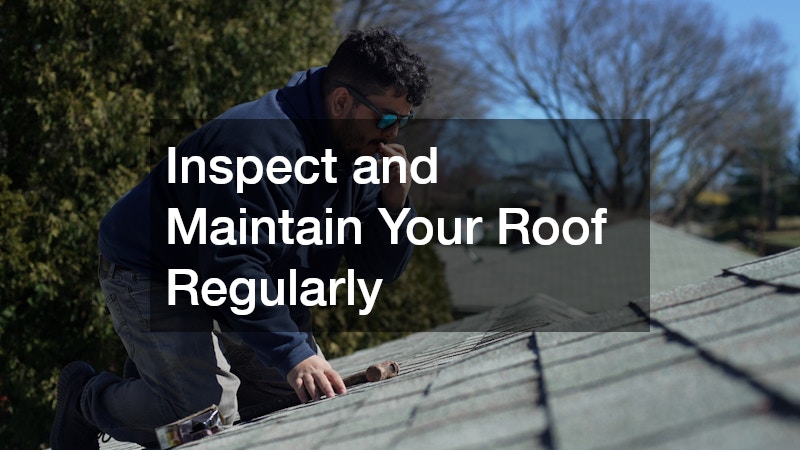
The roof is one of the most critical components of your home, protecting it from the elements and maintaining structural integrity. Regular inspections are essential to catch minor issues before they become major problems. Seasonal checkups—particularly before winter and after heavy storms—can prevent leaks, water damage, and costly repairs.
Start by visually inspecting your roof for missing, cracked, or curling shingles, as well as signs of water damage around chimneys, vents, and skylights. Gutters and downspouts should also be examined for clogs, rust, or misalignment, as proper drainage prevents water pooling and structural damage.
Working with a local roofer or a reputable roofing contractor ensures that any necessary local roof repairs are performed safely and effectively. These professionals have the experience to identify subtle signs of damage, such as deteriorating underlayment or minor leaks that could worsen over time. Early attention prevents interior water damage, mold growth, and further deterioration of your roofing materials.
Tips for effective roof maintenance:
- Inspect shingles, flashing, and gutters at least twice a year
- Schedule professional inspections after major storms
- Remove debris from the roof and gutters regularly
- Document any damage and address repairs promptly
- Consider preventative treatments such as sealants for flat roofs
Regular roof inspections from a roofing contractor not only prevent damage but also extend the life of your roofing materials, saving time and money that would be spent on roof repair.
Schedule Air Conditioning and HVAC Maintenance
Heating, ventilation, and air conditioning systems are essential for comfort and indoor air quality. Proper maintenance ensures efficient operation, lower energy bills, and fewer emergency repairs. Air conditioning systems, in particular, require seasonal attention to remain effective, especially during peak summer months.
Routine maintenance includes changing or cleaning filters, checking refrigerant levels, and inspecting airflow and ductwork for obstructions. Condensate lines and drains should also be cleared to prevent water buildup and potential damage. Scheduling professional AC repair at the first sign of decreased performance prevents small problems from escalating into costly failures.
A local plumber can also assist with water-related HVAC issues, such as leaks in condensate lines, water heaters, or integrating water-based heating systems. Partnering with a trusted local provider ensures timely response, thorough inspections, and professional recommendations for efficiency upgrades.
Tips for maintaining HVAC systems:
- Replace air filters every 1–3 months depending on usage
- Schedule professional AC repair before peak summer months
- Clean vents and ductwork to maintain airflow
- Check thermostat accuracy and settings regularly
- Inspect condensate drains and lines for clogs or leaks
Consistent HVAC maintenance not only improves efficiency but also extends the life of your equipment and ensures consistent comfort in your home.
Handle Roof Issues Promptly
Even with regular inspections, roof issues can arise unexpectedly due to weather events, aging materials, or minor damage. Prompt attention to leaks, damaged shingles, or deteriorating underlayment is critical to prevent further damage to your home’s interior and structure.
Evaluate whether local roof repairs are sufficient or if a full replacement is necessary. Simple repairs, such as patching leaks or replacing individual shingles, can often be handled quickly by a trusted professional. Larger concerns, like extensive water damage or structural weakening, require the expertise of a roofing contractor to ensure safety and long-term protection.
Homeowners should establish relationships with reliable professionals for emergency response and routine maintenance. A roofing contractor can also advise on preventative measures, including sealants, flashing repairs, and gutter adjustments, to reduce the likelihood of recurring problems.
Tips for managing roof issues:
- Inspect damage immediately after storms or high winds
- Schedule repairs as soon as possible to prevent escalation
- Compare local roof repair options versus full replacement
- Document repairs for future reference and warranties
- Ensure contractors follow manufacturer guidelines for materials and safety
Addressing roof problems promptly safeguards your home, reduces repair costs, and maintains structural integrity.
Maintain Fences and Exterior Boundaries

Fences play a key role in home security, privacy, and curb appeal. Regular inspection and maintenance prevent deterioration, ensure safety, and preserve the property’s aesthetic value. Exposure to weather, insects, and physical wear can compromise fence stability if left unchecked.
Inspect wooden, vinyl, or metal fences for loose boards, rust, rot, or damaged posts. Minor fence repairs, such as tightening screws, reinforcing posts, or repainting, can extend the lifespan of your fencing. Seasonal adjustments, such as winter reinforcement or post-storm inspections, prevent major damage. Asphalt repair is sometimes necessary near fence areas or driveways to maintain safe, even surfaces.
Tips for fence upkeep:
- Inspect fences for damage and stability at least twice a year
- Repair loose boards, rusted components, or rotted posts promptly
- Apply paint or sealant to prevent weather damage
- Check gates, latches, and locks for proper function
- Address asphalt issues near fence areas to prevent erosion or safety hazards
Regular attention to fences and surrounding areas ensures long-term durability and enhances both security and curb appeal.
Keep Garage Doors Safe and Functional
Garage doors are high-use components that require routine maintenance to prevent malfunctions. Proper care ensures safety, convenience, and long-term operation. Garage door spring repair is particularly important because broken or worn springs can pose significant safety hazards.
Inspect garage door tracks, rollers, and hardware for wear, alignment issues, or rust. Lubricate moving parts to reduce friction and ensure smooth operation. While minor adjustments can be performed safely by homeowners, professional repair is recommended for springs, openers, and complex mechanical issues. Timely service prevents emergencies and maintains functionality.
Tips for garage door maintenance:
- Inspect and lubricate tracks, rollers, and hinges regularly
- Test door balance and operation to prevent uneven stress
- Replace worn or damaged springs promptly with professional help
- Clean sensors and safety mechanisms to ensure proper function
- Schedule periodic professional inspections to avoid major failures
Proper garage door maintenance keeps entryways safe, functional, and reliable for everyday use.
Inspect and Maintain Septic Systems
Septic systems are essential for homes not connected to municipal sewer lines. Routine maintenance, including septic tank repair and inspections, prevents backups, contamination, and costly environmental damage.
Inspect the tank, drain field, and inlet/outlet components for leaks, odors, or slow drainage. Schedule routine pumping and professional checks every 3–5 years, depending on usage and tank size. Monitoring water usage and avoiding flushing inappropriate items helps prevent system overload. Certified septic professionals can identify early warning signs and recommend appropriate repairs before major issues occur.
Tips for septic system care:
- Schedule pumping and inspection at recommended intervals
- Avoid flushing non-biodegradable materials or harsh chemicals
- Monitor for odors, wet spots, or slow drainage
- Keep trees and shrubs away from the drain field
- Work with licensed professionals for septic tank repair
Regular septic system maintenance ensures sanitation, prevents damage, and prolongs the life of the system.
Maintain Driveways and Walkways
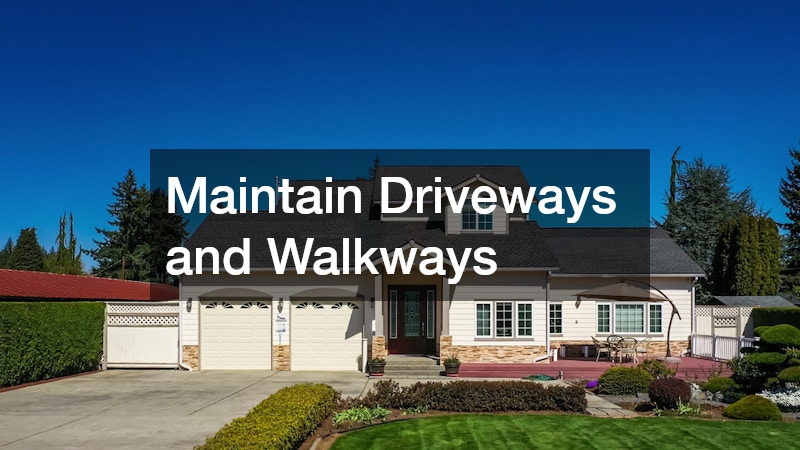
Driveways and walkways endure heavy use and environmental stress. Regular inspection and asphalt repair prevent cracks, potholes, and water damage that can affect safety and property value.
Inspect surfaces for cracks, uneven areas, or signs of wear. Small cracks should be sealed promptly, and potholes patched to prevent further deterioration. Seasonal considerations, such as protecting asphalt from ice, snow, or excessive heat, are also essential. Well-maintained surfaces improve safety and enhance curb appeal.
Tips for driveway and walkway care:
- Inspect asphalt surfaces for cracks and wear seasonally
- Seal small cracks to prevent expansion
- Patch potholes promptly to avoid accidents
- Keep surfaces clean and free of debris
- Consider resurfacing for extensive wear or damage
Proactive care of driveways and walkways ensures long-term durability, safety, and property aesthetics.
Check Plumbing Systems Year-Round
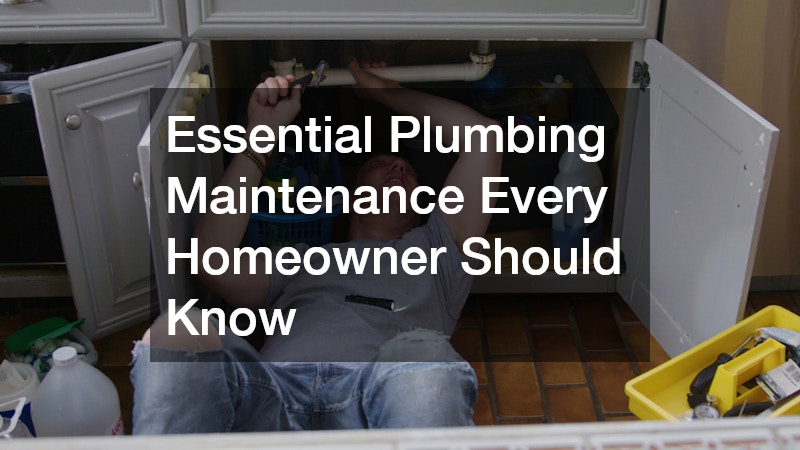
Plumbing issues can lead to water damage, mold, and costly repairs if left unchecked. Routine inspections and plumbing repair help maintain system efficiency and prevent emergencies.
Check faucets, pipes, water heaters, and shutoff valves for leaks or signs of wear. Cleaning aerators, monitoring water pressure, and addressing small leaks promptly prevents larger problems. Partnering with a local plumber ensures professional inspections, repairs, and guidance for preventative measures, including winterizing pipes in cold climates.
Tips for plumbing maintenance:
- Inspect pipes, valves, and water heaters regularly
- Monitor water pressure and fix leaks promptly
- Flush water heaters annually to remove sediment
- Consult a local plumber for professional maintenance and repairs
- Maintain a record of plumbing repairs and service
Routine plumbing care prevents water damage, reduces energy and water waste, and ensures reliable system operation.
Create a Home Maintenance Calendar
A structured maintenance schedule helps homeowners stay on top of seasonal tasks and prevents oversight. A calendar ensures inspections, repairs, and professional services occur consistently throughout the year.
Include monthly, quarterly, and annual tasks for roofing, HVAC, plumbing, garage doors, driveways, fencing, and septic systems. Document completed tasks and schedule follow-ups for professional services. A comprehensive calendar promotes proactive maintenance and helps allocate budget for repairs and replacements.
Tips for organizing a maintenance calendar:
- Divide tasks by season for efficiency
- Track inspections, repairs, and professional service dates
- Set reminders for routine checks and filter replacements
- Document contractor visits and service recommendations
- Review and update the plan annually
A maintenance calendar helps homeowners manage repairs systematically, reducing emergencies and extending the life of home systems.
Prioritize Safety and Professional Guidance
Safety should always be a priority in home maintenance. Certain tasks, such as roof work, HVAC repairs, and electrical adjustments, require professional expertise to avoid accidents.
Hire licensed professionals for high-risk repairs and inspections. Verify credentials, read reviews, and request estimates before committing. Safety also includes proper use of ladders, protective gear, and following manufacturer guidelines for DIY tasks. Professional guidance ensures repairs are effective, code-compliant, and safe for homeowners.
Tips for safe home maintenance:
- Hire qualified contractors for specialized repairs
- Follow safety protocols for DIY inspections and minor maintenance
- Verify licenses and insurance coverage
- Document professional visits and recommendations
- Stay informed on safety updates and building codes
Prioritizing safety and professional guidance ensures that home maintenance is effective, efficient, and risk-free.
Year-round home maintenance is essential for protecting property value, ensuring safety, and preserving system efficiency. Regular inspections, proactive repairs, and preventative care across roofing, HVAC, plumbing, driveways, fences, garage doors, and septic systems help homeowners avoid costly emergencies and extend the lifespan of their property.
Working with a trusted local roofer or roofing contractor ensures that any necessary roof repair or local roof repairs are completed properly and safely. Scheduling professional AC repair and routine HVAC services keeps air conditioners and heating systems running efficiently. Hiring a reliable local plumber addresses plumbing issues promptly, while garage door spring repair, fence repairs, asphalt repair, and septic tank repair maintain functionality, safety, and curb appeal throughout the year.
Implementing a structured maintenance plan, keeping a seasonal checklist, and addressing issues promptly creates a home environment that is safe, comfortable, and energy-efficient. This proactive approach not only prevents expensive emergency repairs but also protects the long-term investment in your property. By staying vigilant, monitoring the performance of your systems, and scheduling professional maintenance when needed, homeowners can enjoy peace of mind, reduce unexpected expenses, and maintain a home that operates reliably and efficiently in every season. Routine upkeep strengthens property value, enhances curb appeal, and ensures that each component of the home—from roof to plumbing to driveway—performs optimally for years to come.