Owning a home comes with a host of responsibilities, and among the most critical is understanding how to maintain and repair it. From minor issues to major emergencies, the condition of your home directly impacts safety, comfort, and long-term value. Many homeowners delay repairs until problems escalate, which can result in higher costs, structural damage, and even health hazards.
Proactive attention to home systems and structures ensures they function optimally, reduces emergency situations, and extends the lifespan of your property. Even small issues, if ignored, can multiply over time, leaks can weaken foundations, damaged roofs can invite water intrusion, and failing fences or pools can create safety hazards. Regular inspections and timely interventions prevent minor problems from becoming major financial burdens.
Beyond preventing damage, routine home care improves energy efficiency, enhances curb appeal, and creates a more comfortable, safe environment for family members and guests. Understanding which repairs you can handle yourself and when to call in professionals is key to managing both time and cost effectively. Engaging experts for complex tasks, such as plumbing repairs, HVAC servicing, roof restoration, chimney repair, or pool maintenance, ensures work is completed safely and up to code, while DIY efforts like minor fence repairs, gutter cleaning, or filter replacement help homeowners stay proactive without overspending.
This guide provides a comprehensive roadmap for maintaining every aspect of a home. From plumbing and HVAC systems to roofing, pools, chimneys, and fences, each section includes actionable tips, warning signs to watch for, preventive strategies, and advice on when professional intervention is necessary. By following these strategies, homeowners can protect their investment, avoid emergencies, and enjoy a home that remains safe, efficient, and visually appealing. With a structured, proactive approach, home maintenance becomes not just a responsibility but a way to preserve comfort, value, and long-term satisfaction.
Assessing Your Home for Maintenance Needs
Before tackling any repair or maintenance project, a thorough assessment of your property is critical. Understanding which areas need the most attention allows homeowners to prioritize effectively and plan for both short-term fixes and long-term improvements.
A comprehensive evaluation begins with a detailed walk-through of every indoor and outdoor area. Inspect ceilings and walls for signs of water damage, discoloration, or cracking. Examine windows and doors for drafts, damaged seals, or alignment issues. In the exterior, look for foundation cracks, uneven walkways, and erosion along gardens or driveways. Pay attention to signs of pests, standing water, or soil shifting, which could indicate drainage issues.
Documenting each observation with photos, notes, and timelines is invaluable. This record not only helps track progress over time but also provides a reference when consulting professionals. Prioritizing repairs based on urgency, such as addressing a leaking pipe before cosmetic paint touch-ups, ensures that resources are used efficiently. Engaging a local plumber early in the assessment can identify hidden plumbing issues, while a visual inspection of hardscapes, fences, and roofing can reveal maintenance needs before they become costly emergencies.
Additionally, homeowners should compare their property’s condition with neighboring homes. This helps identify potential issues that are often overlooked and provides insight into standard maintenance practices in the area. Seasonal assessments, performed quarterly or at least twice a year, allow homeowners to adjust their plans based on weather impacts, ensuring that urgent repairs are not delayed. Establishing a detailed home maintenance plan at the outset creates clarity and reduces stress when multiple issues arise simultaneously.
Dealing With Plumbing Emergencies
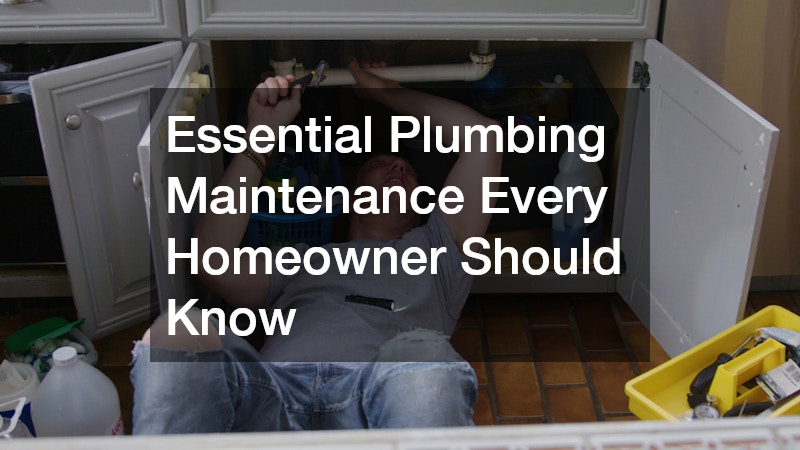
Plumbing issues can escalate quickly, potentially leading to flooding, water damage, and costly repairs. Understanding common warning signs and how to respond ensures homeowners can act swiftly and minimize property damage.
Typical plumbing problems:
- Dripping faucets or running toilets
- Slow or clogged drains
- Low water pressure
- Unusual water discoloration or odor
- Burst pipes or sudden leaks in walls or ceilings
Homeowners can take several steps to mitigate damage before professional help arrives. Shut off the main water supply to prevent flooding, isolate the affected area, and remove valuable items or electronics from the floor. Temporary measures, like using buckets or towels, can help control water while waiting for assistance. Avoid using chemical drain cleaners, as they may worsen blockages or damage pipes.
Having the number of a reliable emergency plumber on hand is crucial. Professionals can quickly assess the situation, repair damage safely, and provide guidance for preventing future incidents. Regular plumbing inspections and preventive maintenance can also reduce the risk of emergencies, saving homeowners money and stress over time.
Beyond immediate repairs, homeowners should implement a long-term strategy for plumbing health. This includes monitoring water pressure, checking pipe insulation, and scheduling routine maintenance with a local plumber. Keeping an emergency kit with shutoff keys, wrenches, and plumbing supplies can make temporary measures more effective. Educating all household members on the location of shutoff valves and basic response procedures ensures everyone can act quickly when a problem arises.
Maintaining Your Heating and Cooling Systems
A properly maintained HVAC system is critical for comfort, energy efficiency, and indoor air quality. Many homeowners neglect routine maintenance until a system fails, resulting in costly repairs, increased energy consumption, and uncomfortable living conditions.
Signs your HVAC needs attention:
- Uneven temperature distribution
- Strange noises or odors
- Rising energy bills
- Frequent cycling or system shutdowns
- Reduced airflow or poor air quality
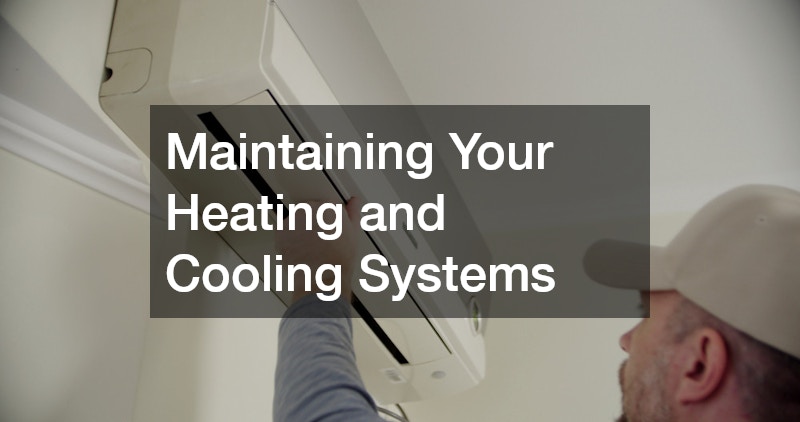
Routine maintenance includes seasonal inspections, filter replacement, coil cleaning, ductwork inspection, and thermostat calibration. Scheduling these tasks with trusted professionals ensures all components operate optimally. Additionally, homeowners should keep the area around HVAC units clear of debris and maintain proper airflow to prevent strain on the system.
Working with experienced AC repair companies allows homeowners to detect and address minor issues before they escalate into major problems. Repairs such as refrigerant recharging, motor servicing, and duct sealing enhance performance, reduce energy consumption, and extend equipment life. Combining DIY efforts, like changing filters, with professional inspections from AC repair companies ensures efficient operation, consistent comfort, and long-term savings.
For long-term planning, homeowners should keep detailed records of maintenance, including dates, performed tasks, and service providers. This documentation helps track system performance, identify recurring issues, and demonstrate maintenance history to future buyers, enhancing resale value. Periodic energy audits can also identify inefficiencies, allowing for targeted upgrades and ensuring your HVAC system remains reliable and cost-effective throughout its lifespan.
Pool Upkeep and Emergency Repairs
For homes with pools, ongoing maintenance is essential for safety, functionality, and aesthetics. Neglect can result in costly repairs, unsafe water conditions, and equipment failure.
Routine pool maintenance:
- Test and balance water chemistry regularly
- Clean debris from surfaces, skimmers, and filters
- Inspect pumps, heaters, and plumbing lines
- Check for leaks or structural damage
Some problems require professional intervention, such as leaks that cannot be easily patched, equipment failure, or damage from storms. Partnering with a reputable pool repair company ensures timely and effective repairs. Professionals can also offer seasonal services such as opening or closing pools and installing upgrades to improve efficiency.
Preventive strategies, like maintaining proper water levels, monitoring pumps for unusual noises, and using covers to prevent debris accumulation, reduce the risk of costly emergencies. Combining routine DIY care with expert oversight ensures pools remain safe, clean, and visually appealing year-round. Additionally, homeowners should schedule inspections for plumbing lines, electrical connections, and filtration systems annually. Documenting maintenance tasks and equipment performance can help anticipate repairs before they become urgent, saving both time and money.
Roof Maintenance and Problem Prevention
A strong, well-maintained roof is essential for protecting a home from the elements and avoiding costly interior damage. Routine inspections and early intervention prevent leaks, structural damage, and decreased energy efficiency.
Routine inspections:
- Check shingles, flashing, gutters, and attic spaces
- Remove debris and leaves
- Inspect for water stains or leaks
- Examine ventilation and insulation
Minor repairs, such as replacing damaged shingles or sealing leaks, can often be handled by a roof repair service. Structural issues or major damage require a local roofer to ensure proper repair techniques and long-term durability. Documenting roof condition with photos and notes helps track changes and plan preventive interventions.
Additional considerations include trimming overhanging branches, inspecting attic insulation, and checking for ice dams in colder climates. These steps reduce strain on the roof and extend its lifespan. Scheduled maintenance, combined with professional inspections, ensures that roofing systems continue to protect the home effectively and efficiently, safeguarding both comfort and property value.
Chimney and Fireplace Safety

Chimneys and fireplaces enhance comfort but can become hazards if neglected. Creosote buildup, masonry deterioration, and water damage can lead to fires or structural issues.
Routine inspections:
- Check for cracks, loose bricks, and flue blockages
- Look for signs of water intrusion
- Clean creosote and debris
- Ensure damper functionality
Hiring a professional for chimney repair guarantees compliance with fire safety standards and prevents hazards that homeowners might overlook. Combining DIY cleaning with expert repairs maximizes safety and efficiency. Documenting inspections and maintenance schedules helps homeowners track ongoing chimney health.
Additional preventive strategies include ensuring proper damper function, monitoring for unusual smoke patterns, and keeping the surrounding fireplace area clear of combustible materials. A well-maintained chimney supports safety, energy efficiency, and enjoyment of fireplaces throughout the year. Regular upkeep also contributes to overall home value and reduces insurance risks related to fire hazards.
Fence Maintenance and Repairs
Fences protect property, enhance privacy, and contribute to curb appeal. Regular maintenance prevents structural deterioration, rot, rust, and aesthetic decline.
Routine care:
- Inspect for loose posts or broken panels
- Apply protective coatings or paint
- Trim nearby vegetation
- Check gate hardware and alignment
Timely fence repair reduces the risk of injury, property disputes, and costly replacement. Maintaining a visually appealing and secure boundary enhances property value and ensures safety. Homeowners can combine DIY maintenance with occasional professional inspections to address complex issues or large-scale repairs efficiently.
Additional tips include trimming vegetation near fences, ensuring proper drainage to prevent water damage, and routinely checking gate hardware. A well-maintained fence provides long-term protection, preserves aesthetics, and contributes to the overall integrity of the property.
Prioritizing Repairs and Budgeting
Managing multiple home repair needs requires strategic planning and budgeting. Homeowners benefit from ranking tasks by urgency, safety, and cost to optimize resources.
Critical repairs, such as plumbing leaks, roof damage, or electrical hazards, should be addressed immediately. Less urgent cosmetic updates can be scheduled for later. Creating a seasonal and annual maintenance calendar ensures regular care is performed consistently.
Budgeting involves comparing DIY solutions versus professional services, estimating costs, and planning for future repairs. Tracking expenses over time helps homeowners allocate resources effectively. Emergency funds for unexpected issues, like severe leaks or HVAC failure, reduce stress and ensure a rapid response.
Efficient prioritization prevents minor problems from escalating into costly emergencies. Combining careful planning, professional services, and routine maintenance maximizes safety, preserves property value, and supports long-term home durability.
DIY vs Professional Services: Knowing When to Call Experts
Homeowners must understand which repairs can be safely done themselves and when to hire licensed professionals.
DIY tasks often include minor painting, garden maintenance, small fence adjustments, and basic HVAC filter replacement. Complex projects, such as major plumbing repairs, roof replacement, or chimney repair, require professional expertise to ensure safety, compliance, and long-term effectiveness.
Hiring professionals involves vetting contractors, checking licenses, obtaining multiple quotes, and verifying references. Emergency situations, including burst pipes, roof leaks, or HVAC failures, require immediate expert attention to prevent damage and costly delays.
A balanced approach allows homeowners to maintain their property efficiently, combining personal effort with professional support. Documenting completed tasks, service histories, and maintenance schedules ensures transparency and provides guidance for future upkeep.
Understanding essential home repairs is critical for every homeowner. From plumbing and HVAC systems to roofing, pools, chimneys, and fences, regular maintenance prevents emergencies, protects property value, and ensures long-term safety.
Beyond simply avoiding costly issues, consistent upkeep creates a home environment that is comfortable, efficient, and enjoyable year-round. Homeowners who monitor systems, document inspections, and schedule preventive maintenance are better prepared for unexpected challenges. Small, timely repairs often prevent major structural damage, reduce energy consumption, and extend the lifespan of appliances, systems, and outdoor features.
Engaging qualified professionals for specialized work, such as emergency plumbing, AC servicing, roof repair, or pool maintenance, ensures repairs are completed safely and effectively. Meanwhile, DIY efforts for routine tasks, like changing filters, cleaning gutters, or minor fence repairs, help keep costs manageable while preserving functionality.
Ultimately, a proactive, well-documented repair and maintenance plan strengthens both financial and personal investment in your home. It ensures safety, supports energy efficiency, enhances comfort, and maintains the property’s appeal and value over time.