
A home is one of the most significant investments many people will ever make, which is why ongoing maintenance plays such an important role in protecting both comfort and property value. While major repairs often capture the most attention, it is usually the smaller issues that create the foundation for larger, more expensive problems. A minor leak, a small crack, or an unusual sound may seem insignificant at first, but these warning signs often indicate underlying conditions that can worsen over time.
Many homeowners delay repairs because the issue appears cosmetic or does not immediately interfere with daily life. However, building systems work together, and when one component begins to fail, neighboring materials can also become affected. Moisture intrusion, structural stress, poor ventilation, and mechanical wear can gradually spread damage throughout a property if left unchecked.
The good news is that many costly repairs can be avoided when homeowners recognize early warning signs and address them promptly. Routine inspections, seasonal maintenance, and attention to subtle changes throughout the home can help identify problems before they become emergencies. Understanding what to look for allows property owners to make informed decisions and protect their investment.
Every area of a home has unique indicators that suggest maintenance may be needed. From the roof and gutters to plumbing systems and household appliances, small changes often provide valuable clues about developing concerns. Recognizing these signs early can save money, reduce disruption, and extend the lifespan of important home components.
Being proactive also helps maintain safety. Certain issues, such as damaged roofing materials, faulty water heaters, or malfunctioning garage doors, can create hazards if ignored. Taking action when problems first appear helps prevent accidents while preserving the functionality of the home.
The following guide highlights common warning signs that homeowners should monitor throughout their property. By understanding these indicators and responding promptly, it becomes easier to prevent minor concerns from evolving into major repair projects.
Warning Signs on Your Roof That Shouldn’t Be Ignored
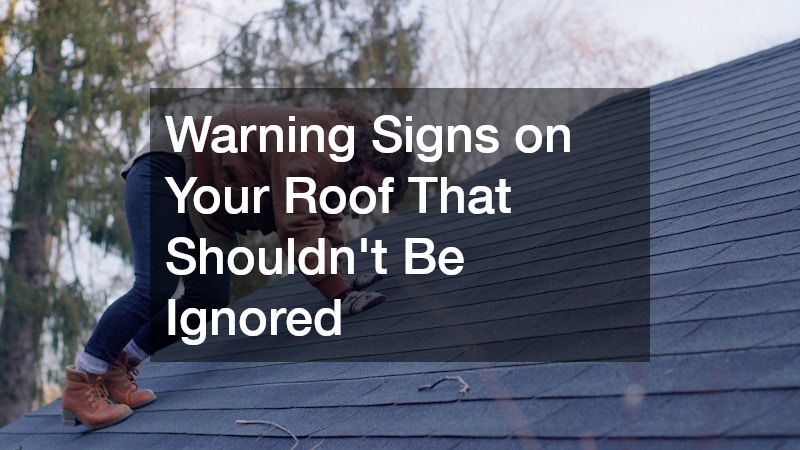
The roof serves as the first line of defense against weather, moisture, and temperature changes. Small roofing issues can quickly become major concerns when they allow water to penetrate the structure.
Missing, curled, or cracked shingles are among the most obvious warning signs. These damaged materials can expose underlying components to rain, snow, and wind. Homeowners should also look for granules accumulating in gutters, as excessive granule loss often indicates aging shingles.
Water stains on ceilings or walls may suggest that moisture is entering through damaged roofing materials. Even small stains should be investigated promptly because water intrusion can lead to mold growth, wood rot, and insulation damage.
Sagging sections of the roof should never be ignored. These areas may indicate structural deterioration, trapped moisture, or weakened support systems. Moss and algae growth can also contribute to premature wear by retaining moisture against roofing surfaces.
Scheduling a professional roofing service when these signs appear can help identify the source of the problem before extensive repairs become necessary.
Hidden Airflow Issues That Can Affect Comfort and Efficiency
Many homeowners focus on heating and cooling equipment but overlook the network responsible for distributing conditioned air throughout the house.
Uneven temperatures from room to room often indicate airflow restrictions. If some spaces remain uncomfortable regardless of thermostat settings, ductwork may contain leaks, blockages, or disconnected sections.
Excessive dust accumulation can also point to hidden problems. Leaky ducts may draw contaminants from attics, crawl spaces, or wall cavities and distribute them throughout the home.
Rattling, whistling, or banging sounds coming from vents may signal loose connections or damaged duct components. Rising energy bills without a clear explanation can further indicate inefficient airflow and wasted conditioned air.
Poor indoor air quality, increased allergy symptoms, and persistent odors may all stem from compromised duct systems. Addressing these concerns through a qualified air duct service can improve comfort, efficiency, and indoor air quality.
Early Indicators of Problems Beneath Your Property
Many septic system issues develop gradually, making early detection especially important.
Slow-draining sinks, tubs, and toilets are common indicators that wastewater may not be flowing properly. While isolated drain problems can occur, multiple slow drains throughout the home often suggest a larger concern.
Unpleasant odors around the yard, drain field, or plumbing fixtures should never be dismissed. These smells may indicate leaks, backups, or system malfunctions.
Pooling water near the drain field can signal improper drainage or system overload. Similarly, unusually lush patches of grass may suggest excess moisture reaching the soil surface.
Frequent sewage backups represent a serious warning sign that requires immediate attention. Delaying repairs can result in property damage, health concerns, and more extensive restoration costs.
Regular inspections and timely septic services can help identify developing issues and maintain proper system performance.
Clues That Your Home’s Glass and Frames Need Attention

Windows contribute significantly to energy efficiency, comfort, and curb appeal. Over time, wear and damage can reduce their effectiveness.
Drafts around windows often indicate deteriorated seals or frame damage. These gaps can increase energy consumption and make indoor temperatures harder to control.
Condensation between panes of glass is another common warning sign. This typically indicates seal failure in double- or triple-pane windows, reducing insulation performance.
Difficulty opening or closing windows may suggest frame warping, moisture damage, or hardware deterioration. Cracked glass should also be addressed promptly to prevent further breakage and safety concerns.
Outside, homeowners should inspect frames for peeling paint, rot, or visible deterioration. These issues can allow moisture intrusion and accelerate structural damage.
When multiple windows exhibit these symptoms, window replacement may provide long-term benefits through improved energy efficiency, functionality, and appearance.
Small Door Issues That Can Lead to Bigger Safety Concerns
Garage doors are among the largest moving components in most homes, making proper operation essential.
Unusual noises such as grinding, squeaking, or popping sounds may indicate worn hardware or alignment problems. Ignoring these signs can place additional strain on other system components.
A door that moves unevenly or hesitates during operation may have track issues, damaged rollers, or spring problems. Homeowners should also pay attention to doors that reverse unexpectedly or fail to close completely.
Visible wear on cables, springs, and rollers should be addressed promptly. These components experience significant tension and can create safety hazards when damaged.
Remote control inconsistencies or delayed responses may point to electrical or sensor-related concerns. Additionally, sagging door sections can indicate structural deterioration.
Professional garage door service helps identify and correct these issues before they result in system failure or safety risks.
When Household Equipment Starts Showing Signs of Trouble
Household appliances simplify everyday tasks, but they often provide warning signs before major breakdowns occur.
Strange noises are among the most common indicators of developing problems. Grinding, rattling, or buzzing sounds may suggest worn components or mechanical issues.
Increased operating times can also signal declining efficiency. A refrigerator running constantly or a dryer requiring multiple cycles may indicate internal malfunctions.
Leaks around appliances should never be ignored. Water escaping from dishwashers, washing machines, or refrigerators can damage surrounding flooring and cabinetry.
Fluctuating performance, inconsistent temperatures, and unusual odors may further suggest underlying concerns. Electrical issues can also manifest through flickering displays, intermittent operation, or tripped breakers.
Prompt appliance repair can often resolve minor problems before they lead to complete equipment failure and costly replacement expenses.
Minor Water System Problems That Can Escalate Quickly

Plumbing systems are essential to daily living, yet small problems frequently go unnoticed until significant damage occurs.
Dripping faucets may appear harmless, but they can waste substantial amounts of water over time. Similarly, minor leaks beneath sinks often worsen gradually while damaging cabinets and flooring.
Low water pressure may indicate hidden leaks, mineral buildup, or pipe deterioration. Unexplained increases in water bills can also point to concealed plumbing issues.
Discolored water should be investigated promptly, as it may indicate corrosion or sediment buildup within pipes. Persistent drain clogs may suggest larger blockages developing deeper within the system.
Water stains, damp drywall, and musty odors often reveal hidden moisture problems behind walls or beneath flooring. Addressing these concerns through professional plumbing repair service can help prevent extensive water damage and mold growth.
Surface Damage That May Signal Structural Concerns
Concrete surfaces naturally experience wear over time, but certain forms of damage warrant closer attention.
Small cracks may initially appear cosmetic, yet they can expand due to weather changes, moisture intrusion, and shifting soil conditions. Monitoring crack size and progression is important.
Uneven surfaces or sinking sections often indicate soil movement beneath the concrete. These issues can create tripping hazards and affect structural stability.
Water pooling on driveways, patios, or walkways may signal drainage problems or settlement. Spalling, which occurs when the surface begins flaking or chipping, can expose deeper layers to additional deterioration.
Expansion joints should also be inspected regularly. Damage in these areas can accelerate cracking and allow moisture infiltration.
Timely concrete repair service can help restore stability and prevent more extensive structural concerns from developing.
Signs Your Hot Water System Needs Immediate Attention
Water heaters often show warning signs before complete failure occurs.
Inconsistent water temperatures are among the earliest indicators of trouble. Fluctuating temperatures may result from heating element issues, sediment buildup, or thermostat problems.
Reduced hot water availability can signal declining system performance. Strange noises such as rumbling, popping, or banging may indicate sediment accumulation inside the tank.
Visible corrosion around fittings, valves, or the tank itself should be addressed quickly. Rust can compromise system integrity and increase the likelihood of leaks.
Water pooling near the unit represents a serious warning sign that requires immediate evaluation. Homeowners should also monitor for unusual odors or discolored hot water.
Scheduling water heater repair when these symptoms first appear can help extend equipment lifespan and reduce the risk of sudden failure.
Exterior Drainage Problems That Can Cause Costly Damage
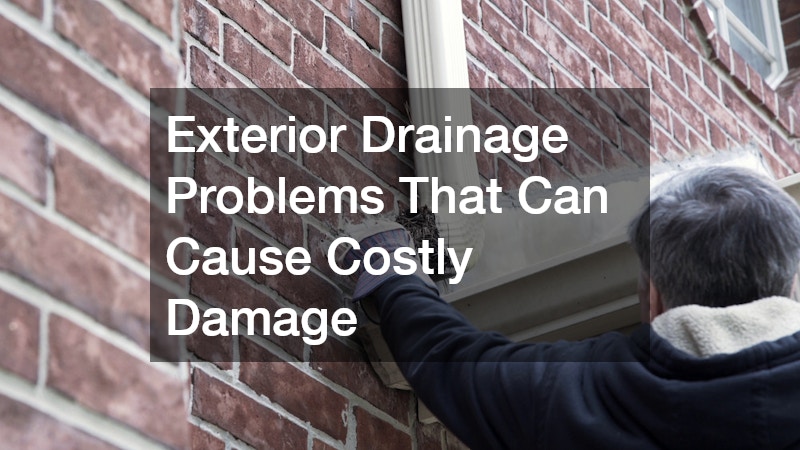
Gutters play a critical role in directing water away from the home. Even minor issues can create significant problems when left unresolved.
Overflowing gutters often indicate blockages caused by leaves, debris, or sediment buildup. Water spilling over the edges can damage siding, landscaping, and foundations.
Sagging sections may result from excessive weight, loose fasteners, or structural deterioration. Visible rust, cracks, and holes should also be repaired promptly.
Water stains on exterior walls may indicate improper drainage or leaking gutter sections. Homeowners should also inspect downspouts to ensure water is being directed away from the foundation.
Pools of water near the home after rainfall can signal drainage problems that increase the risk of foundation damage and basement moisture intrusion.
Routine inspections and timely gutter repair help maintain effective water management and protect the property from preventable damage.
Small home repairs rarely stay small forever. What begins as a minor crack, a slight leak, an unusual sound, or a small performance issue can gradually evolve into a larger and more expensive problem when left unaddressed. Homeowners who pay attention to these early warning signs place themselves in a stronger position to protect their investment and avoid unexpected repair costs.
Preventive maintenance is one of the most effective ways to preserve the condition of a property. Regular inspections allow homeowners to identify developing concerns before they affect structural components, mechanical systems, or indoor comfort. By monitoring key areas throughout the home, it becomes easier to recognize subtle changes that may indicate trouble.
Many of the issues discussed throughout this guide share a common theme: early intervention typically costs less than major repairs. Whether the concern involves moisture intrusion, airflow restrictions, equipment wear, drainage problems, or structural movement, prompt action often prevents damage from spreading to surrounding materials and systems.
In addition to financial savings, proactive maintenance contributes to a safer living environment. Functional roofing systems, properly operating garage doors, reliable plumbing, stable concrete surfaces, and efficient water heaters all play important roles in supporting household safety and comfort. Ignoring warning signs can increase the risk of property damage, system failures, and unexpected disruptions.
Homeownership requires ongoing attention, but staying ahead of maintenance concerns does not have to be overwhelming. Developing a routine inspection schedule and responding quickly to unusual changes can significantly reduce the likelihood of major problems. Even a brief visual assessment of critical areas throughout the year can reveal issues that deserve professional evaluation.
Ultimately, protecting a home is about recognizing that small details matter. By identifying concerns early and addressing them promptly, homeowners can extend the life of important systems, maintain property value, improve efficiency, and avoid many of the costly surprises that often accompany deferred maintenance. A proactive approach today can help preserve the condition and functionality of a home for years to come.