A roof does far more than keep rain out. It plays a major role in how efficiently a home uses energy and how attractive it is to future buyers. When a roofing system is outdated, poorly installed, or made from inefficient materials, it can quietly drive up utility bills and reduce overall property value. On the other hand, a well-planned upgrade can improve indoor comfort, lower heating and cooling costs, and increase long-term resale potential.
Modern roofing systems are designed with performance in mind. They combine smarter materials, better insulation strategies, and more precise installation methods to create a building envelope that works as a system rather than a collection of parts. Understanding how these pieces fit together helps homeowners make informed decisions that go beyond appearance alone.
Identifying Roof Problems That Affect Efficiency
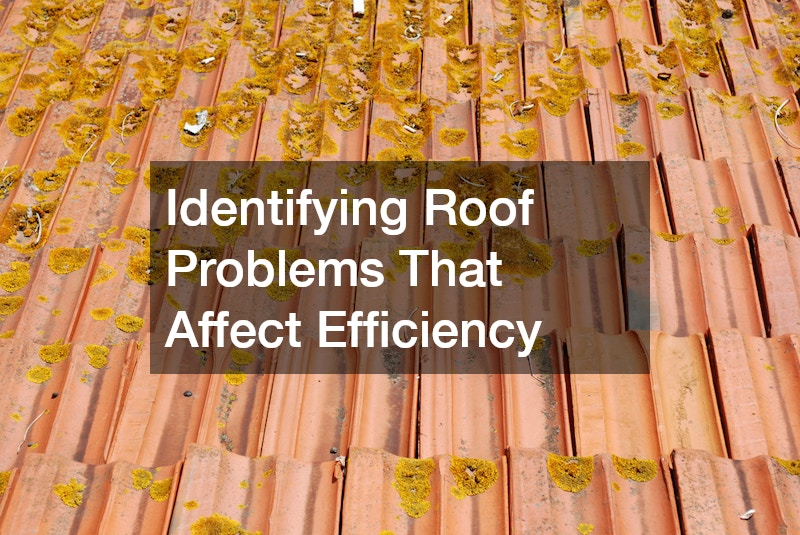
Before improving anything, it is important to understand what is already going wrong. Many homes experience energy loss through roofing issues that are not immediately visible from the ground. In some cases, simple roof repair can restore performance without a full replacement, especially when problems are caught early.
A roofing contractor typically begins with a full inspection of the roof structure, looking for both obvious and hidden issues that affect energy efficiency. These may include damaged shingles, poor sealing, or inadequate ventilation.
Common warning signs include:
- Uneven indoor temperatures between rooms
- Higher-than-normal energy bills
- Visible leaks or water stains on ceilings
- Curling, cracked, or missing roofing sections
- Excessive heat buildup in the attic
In some situations, targeted roof repair can resolve these issues quickly. However, when damage is widespread, a more comprehensive upgrade may be necessary to restore long-term efficiency.
A professional roofing contractor will evaluate whether repairs or full replacement provides the best return based on the condition of the structure.
Selecting Materials That Improve Thermal Performance
The type of material used on a roof significantly influences how much heat is absorbed or reflected. Some materials naturally retain heat, while others help regulate indoor temperatures by reducing thermal transfer.
Two of the most common choices in residential construction are modern composites and traditional asphalt shingle roofing. While both are widely used, they perform differently depending on climate and installation quality.
A roofing material selection should consider:
- Solar reflectivity (how much sunlight is reflected vs. absorbed)
- Thermal conductivity (how easily heat passes through the surface)
- Durability in local weather conditions
- Maintenance requirements over time
Asphalt shingle roofing remains popular due to affordability and versatility, but it can absorb more heat compared to newer reflective options. This means attic ventilation and insulation become especially important when using it.
Key considerations when choosing materials:
- Light-colored surfaces reduce heat absorption
- Reflective coatings improve energy performance
- Heavier materials may provide better durability but retain more heat
- Compatibility with insulation systems below the roof
Choosing the right roofing material is not just about aesthetics—it directly impacts how hard your HVAC system must work throughout the year.
High-Performance Roofing Systems and Surface Treatments
Some roofing systems go beyond traditional materials by incorporating coatings or specialized metal designs that improve energy efficiency. These upgrades can significantly reduce heat transfer and extend the roof’s lifespan.
Metal roofing is one of the most efficient options available because it reflects a large portion of solar radiation. This helps keep attic temperatures lower, which reduces strain on cooling systems during hot months.
Another enhancement option is roof coating services, which involve applying protective layers over existing roofing surfaces to improve reflectivity and waterproofing.
Benefits of these systems include:
- Reduced heat absorption during peak sunlight hours
- Improved resistance to UV damage
- Extended roof lifespan with reduced material degradation
- Lower cooling costs during the summer months
roof coating services can be especially useful for aging roofs that are still structurally sound but are losing efficiency. Instead of a full replacement, coatings can restore reflectivity and seal minor surface wear.
Situations where these upgrades are most effective:
- Homes in hot, sunny climates
- Older roofs with surface wear but solid structure
- Properties looking for cost-effective efficiency improvements
When properly applied, these systems can delay the need for full replacement while still improving energy performance.
Installation Quality and Its Impact on Performance
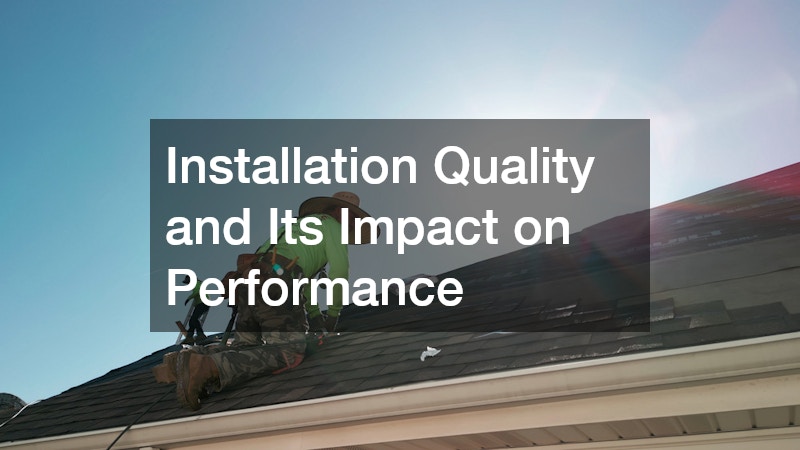
Even the best materials will fail to perform well if they are installed incorrectly. Proper installation ensures that insulation, ventilation, and sealing all work together to create an energy-efficient system.
Professional roofing installations are designed to eliminate gaps, leaks, and weak points that allow energy loss. A skilled roofing company understands how to integrate each layer of the roof so that it functions as a complete system rather than isolated components.
Important elements of quality installation include:
- Proper underlayment placement for moisture protection
- Correct fastening techniques to prevent wind uplift
- Seam sealing to eliminate air leakage
- Alignment of materials for consistent coverage
- Integration with attic ventilation systems
A reputable roofing company also ensures that local building codes and manufacturer guidelines are followed. This is critical for maintaining warranties and long-term performance.
Why installation quality matters:
- Prevents early deterioration of materials
- Reduces risk of leaks and structural damage
- Improves the overall energy efficiency of the home
- Increases long-term return on investment
Poor installation often leads to issues that appear years later, such as heat loss or moisture infiltration that could have been prevented from the start.
Insulation and Air Sealing for Maximum Efficiency
Roofing performance is closely tied to how well a home is insulated. Without proper insulation, even a high-quality roof cannot prevent energy loss. This is where spray foam insulation plays a major role in modern energy-efficient construction.
Spray foam insulation expands to fill gaps and create an airtight seal, reducing both heat transfer and air leakage. This makes them especially effective in attics and roof cavities where traditional insulation may leave gaps.
Benefits of spray foam systems include:
- Strong air sealing properties
- Reduced moisture infiltration
- Improved indoor temperature consistency
- Increased structural rigidity in some applications
Roofers often evaluate insulation performance during roofing upgrades to ensure the entire system is working together efficiently. If insulation is weak or uneven, it can undermine even the best roofing materials.
Key insulation improvement strategies:
- Seal air leaks around vents and penetrations
- Upgrade old insulation to higher R-value materials
- Combine insulation with proper attic ventilation
- Ensure consistent coverage across all attic areas
When roofers coordinate insulation improvements with roofing upgrades, homeowners typically see significant improvements in comfort and energy savings.
Ventilation, Moisture Control, and Energy Balance
A roof must not only block heat—it must also regulate airflow. Without proper ventilation, heat and moisture can build up in the attic, reducing efficiency and damaging materials over time.
Poor airflow can cause:
- Excessive attic heat in summer
- Moisture buildup during winter
- Mold and mildew growth
- Premature aging of roofing materials
Roofing systems are designed to maintain a balance between intake and exhaust ventilation. This ensures that hot air escapes while cooler air circulates properly.
How ventilation improves performance:
- Reduces strain on air conditioning systems
- Helps maintain consistent indoor temperatures
- Prevents moisture-related structural damage
- Extends the lifespan of roofing components
When paired with the right roofing material and insulation strategy, ventilation completes the energy efficiency system of the home.
Long-Term Maintenance and Efficiency Preservation
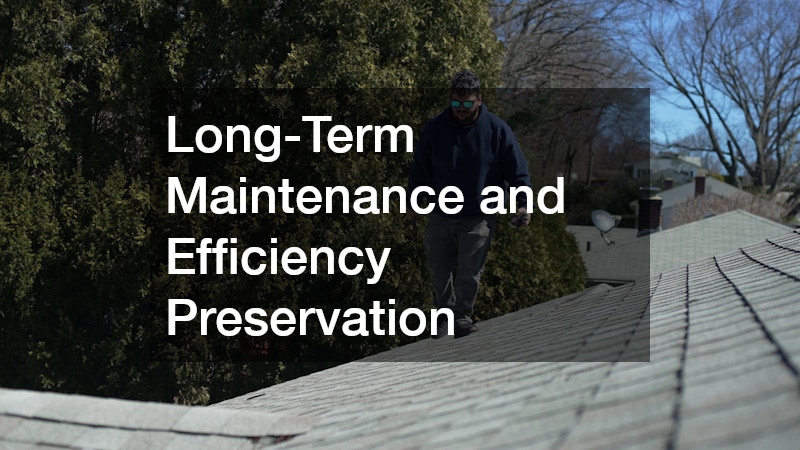
Even after installation, maintaining roof performance is essential for preserving energy efficiency. Over time, small issues can develop that gradually reduce effectiveness.
Routine roof repair and maintenance help prevent small problems from turning into major failures. This includes addressing damaged sections, sealing leaks, and restoring protective surfaces.
roof repair plays a critical role in maintaining efficiency by:
- Preventing water intrusion that damages insulation
- Fixing gaps that allow air leakage
- Restoring the structural integrity of roofing layers
- Maintaining proper drainage flow
In some cases, roof coating services can be used as part of maintenance to restore reflectivity and protect aging surfaces.
Recommended maintenance practices:
- Inspect the roof twice per year
- Clear debris from gutters and drainage systems
- Address minor damage immediately
- Monitor attic conditions for moisture or heat issues
Consistent maintenance ensures that the roof continues to perform efficiently over its entire lifespan.
Roofing Upgrades and Property Value Growth
Energy-efficient roofing upgrades are one of the most impactful ways to increase home value. Buyers today are increasingly interested in homes with lower operating costs and modern building systems.
Well-planned roofing installations can improve resale value by:
- Enhancing curb appeal
- Demonstrating reduced energy costs
- Increasing structural reliability
- Reducing future maintenance concerns
A professional roofing company can help homeowners understand which upgrades provide the best return on investment based on local market conditions.
Factors that influence value increase:
- Quality of materials used
- Energy efficiency improvements
- Warranty coverage and documentation
- Visual appeal of the finished roof
Homes with modern, efficient roofing systems often sell faster and at higher prices compared to similar properties with outdated roofs.
Cost Efficiency and Material Selection Strategy
Choosing between different roofing options requires balancing upfront cost with long-term savings. While some materials are more expensive initially, they may offer greater energy savings over time.
Metal roofing often provides strong long-term value due to its durability and reflective properties. Although the initial cost is higher, reduced cooling expenses and longer lifespan can offset the investment.
In contrast, asphalt shingle roofing is more budget-friendly upfront and still provides solid performance when paired with proper insulation and ventilation.
Decision factors include:
- Budget constraints
- Climate conditions
- Expected length of home ownership
- Energy efficiency goals
Comparing both options:
- Metal roofing: higher upfront cost, longer lifespan, better reflectivity
- Asphalt shingle roofing: lower upfront cost, versatile, widely available
The right choice depends on balancing immediate affordability with long-term performance goals.
Coordinating a Complete Roofing System Upgrade
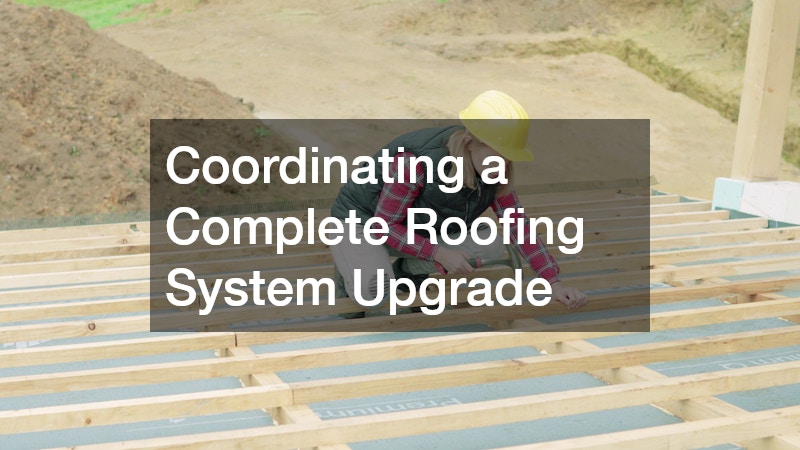
A truly efficient roofing system requires coordination between materials, insulation, installation, and maintenance because each of these components directly influences how the others perform. A roof is not a single-layer solution; it is a layered system where small inefficiencies in one area can reduce the effectiveness of the entire structure. When everything is properly aligned, the roof functions as a unified barrier against heat transfer, moisture intrusion, and air leakage.
A roofing material upgrade alone is not enough if insulation and ventilation are not addressed at the same time. For example, installing high-performance materials without improving attic airflow or sealing gaps can still allow heat buildup or energy loss beneath the surface. Similarly, spray foam insulation must be integrated into a properly sealed and ventilated roof structure to be effective. If ventilation is ignored, trapped moisture or excessive heat can reduce insulation performance and even shorten the lifespan of surrounding materials.
To achieve real efficiency gains, each stage of the upgrade process should be approached as part of a single system rather than separate improvements. A complete upgrade plan typically includes:
- Material selection based on climate and efficiency goals, ensuring the roof surface reflects or absorbs heat appropriately, depending on regional weather patterns. This step also considers durability, maintenance needs, and compatibility with underlying systems so that performance is consistent over time.
- Structural inspection and necessary roof repair to address any existing damage before new materials are installed. This includes identifying weak points, leaks, or compromised areas that could reduce the effectiveness of new upgrades if left unresolved.
- Installation by a qualified roofing company to ensure that each layer is properly aligned, sealed, and secured. Professional installation helps eliminate common issues such as uneven spacing, improper fastening, or gaps that allow air and moisture infiltration.
- Insulation upgrades, such as spray foam insulation, help create an airtight seal within attic spaces and roof cavities. These upgrades are especially important for reducing thermal bridging and maintaining consistent indoor temperatures throughout the year.
- Ventilation improvements for airflow balance, ensuring that hot air can escape while cooler air circulates effectively. Proper ventilation works in tandem with insulation to prevent moisture buildup and reduce strain on heating and cooling systems.
When all elements are coordinated, the result is a roofing system that improves comfort, reduces energy use, and increases property value simultaneously. The home becomes more stable in temperature year-round, HVAC systems operate more efficiently, and the roof itself experiences less wear over time due to balanced thermal and moisture conditions.
Conclusion
A roof is one of the most important systems in a home when it comes to energy efficiency and long-term value. Its performance depends on far more than surface appearance. Materials, insulation, ventilation, installation quality, and ongoing maintenance all work together to determine how well the home retains or loses energy.
By approaching roofing upgrades as a complete system rather than a single replacement project, homeowners can achieve meaningful improvements in comfort, cost savings, and resale potential over time.