
A well-maintained septic setup is one of the most important yet overlooked parts of a home. When it’s working properly, it quietly manages waste without issue. But when neglected, it can lead to costly repairs, unpleasant odors, and even serious property damage.
The good news is that maintaining your system doesn’t have to be complicated. With the right knowledge, consistent habits, and occasional professional help, you can keep everything running smoothly for years-if not decades. This guide walks you through practical, actionable steps to help you protect your investment and avoid unexpected problems.
Know How Your System Actually Works Before Maintaining It
Before you can properly care for your septic tank system, it’s important to understand what’s happening underground. Many homeowners rely on their system daily without ever learning how it functions, which often leads to avoidable mistakes. Your system is designed to separate solids, liquids, and scum in a controlled environment so waste can be naturally processed. When this balance is disrupted, problems can quickly develop beneath the surface. Understanding the flow of wastewater from your home into the tank and then out into the drain field gives you a clearer picture of why maintenance matters. It also helps you recognize why certain materials should never be flushed or drained. With a basic understanding in place, you’ll be better equipped to make smart decisions that protect your system long term.
Here’s a simplified breakdown:
- Wastewater flows from your home into the tank
- Solids settle at the bottom (sludge)
- Oils and grease float to the top (scum)
- Liquid effluent exits into the drain field
Common misconceptions:
- “It can handle anything I flush.”
- “If it’s working, I don’t need to think about it.”
- “Additives eliminate maintenance needs.”
Understanding these basics allows you to take a more proactive role in caring for your system. Instead of reacting to problems after they occur, you can prevent many issues from happening in the first place. This foundational knowledge sets the stage for every other maintenance step you take.

Schedule Routine Pumping Before Problems Start
Routine septic system pumping is one of the most essential tasks for keeping your system functioning properly over time. As waste accumulates, the sludge layer inside the tank gradually increases, reducing the available space for wastewater. If this buildup is not removed through septic tank pumping, it can overflow into the drain field and cause serious damage. Many homeowners underestimate how quickly this can happen, especially in households with higher water usage. Regular pumping ensures that solids are removed before they interfere with the system’s ability to separate and treat waste effectively. It also gives professionals a chance to inspect the tank for early signs of wear or damage. Staying consistent with pumping schedules can significantly extend the life of your entire system.
How often should you pump?
- Every 3-5 years for most households
- More frequently for larger families or heavy usage
Signs you’re overdue:
- Slow drains throughout the house
- Gurgling pipes
- Unpleasant odors
- Standing water near the drain field
What happens during a pumping visit:
- Removal of sludge and scum buildup
- Inspection of tank components
- Identification of potential issues
Skipping routine pumping is one of the most common causes of major septic failures. What starts as a simple maintenance task can quickly turn into an expensive repair if ignored. Staying ahead of this schedule helps protect both your home and your budget.
Be Mindful of What Goes Down Your Drains Daily
Every day habits play a major role in determining how long your system lasts and how well it performs. Many septic repair issues can be traced back to improper disposal of household waste. Items that seem harmless, such as grease or wipes, can accumulate and create blockages that disrupt the natural breakdown process. Chemicals can also interfere with the bacteria responsible for breaking down waste, leading to imbalances inside the tank. Over time, these small mistakes add up and increase the likelihood of system failure. By being more mindful of what enters your drains, you can prevent unnecessary strain on your system. Developing better habits is one of the simplest and most effective ways to avoid costly repairs.
Avoid flushing or draining:
- Grease, fats, and oils
- “Flushable” wipes
- Paper towels and hygiene products
- Harsh chemicals
- Coffee grounds
Better alternatives:
- Dispose of grease in containers
- Use septic-safe toilet paper
- Choose mild cleaning products
- Compost food waste
Making smarter choices every day helps preserve the natural balance within your system. These small adjustments can significantly reduce the risk of blockages and breakdowns. Over time, consistent habits can save you from major disruptions and expensive fixes.
Use Water Efficiently to Prevent System Overload
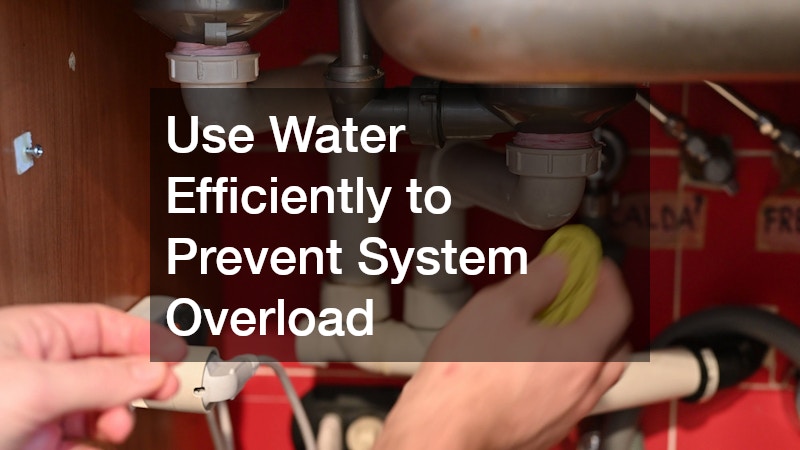
Water usage has a direct impact on how effectively your system operates. When too much water enters the tank too quickly, it can prevent proper separation of solids and liquids. This increases the risk of waste being pushed into the drain field before it has been properly treated. Many homeowners don’t realize that simple habits, like doing multiple loads of laundry in a single day, can overload the system. Even small leaks can add up over time and place unnecessary strain on the tank. A professional septic tank service can often identify these issues early, but daily awareness is just as important. Managing water usage is a key part of maintaining a healthy and efficient system. By being mindful of how and when water is used, you can reduce stress on your system and extend its lifespan.
Smart water-saving habits:
- Fix leaks immediately
- Spread laundry loads across the week
- Install low-flow fixtures
- Avoid running multiple appliances at once
Signs your system may be overwhelmed:
- Slow drainage
- Gurgling sounds
- Standing water outside
Reducing water usage doesn’t require major lifestyle changes, just a bit of planning and awareness. Over time, these adjustments help maintain proper system function and prevent avoidable issues. Consistent water management is a simple yet powerful way to protect your investment.
Inspect Your System Regularly for Early Warning Signs
Regular inspections are one of the most effective ways to catch small problems before they become major concerns. Many homeowners only think about their system when something goes wrong, but proactive checks can make a significant difference. By paying attention to subtle changes, you can identify issues that may require septic repair or professional septic tank service. Early detection allows you to address minor problems before they escalate into costly damage. Seasonal changes can also impact your system, making routine inspections even more important. Taking the time to monitor your system helps ensure it continues to function as expected. Staying alert to warning signs can save both time and money in the long run.
What to look for:
- Persistent odors
- Wet or soggy spots
- Unusually lush grass
- Slow drains
Seasonal checklist:
- Spring: check for pooling water
- Summer: monitor for odors
- Fall: inspect before colder weather
- Winter: watch for backups
Consistent inspections help you stay ahead of potential problems. Instead of reacting to emergencies, you can address issues while they are still manageable. This proactive approach is one of the best ways to maintain long-term system health.

Hire the Right Professional for Maintenance and Pumping
Choosing a qualified septic pumping contractor is essential for proper maintenance and long-term reliability. Not all service providers have the same level of experience or expertise, which can impact the quality of work performed. A reputable provider offering septic pump service will not only remove waste but also inspect the system for potential issues. This added layer of care helps identify problems early and ensures your system continues to operate efficiently. Taking the time to research and select the right professional can make a significant difference in your overall experience. It also provides peace of mind knowing your system is in capable hands. Building a relationship with a trusted contractor can simplify future maintenance and service needs.
What to look for:
- Proper licensing and insurance
- Strong customer reviews
- Transparent pricing
- Experience with residential systems
Questions to ask:
- What does your service include?
- Do you perform inspections during visits?
- How is waste handled?
Working with the right professional ensures your system receives the care it needs. Reliable service helps prevent mistakes and extends the lifespan of your system. Over time, this partnership becomes a valuable part of your maintenance routine.
Protect Your Drain Field from Damage
The drain field plays a critical role in filtering and dispersing wastewater after it leaves the tank. It is one of the most sensitive parts of your septic tank system and can be easily damaged if not properly protected. Heavy vehicles, construction, and even certain types of landscaping can interfere with its ability to function. When the drain field is compromised, it can lead to poor drainage and environmental concerns. Many homeowners overlook this area because it is out of sight, but it requires just as much attention as the tank itself. Taking steps to protect the drain field helps maintain overall system efficiency. Preventing damage is far easier and more affordable than repairing it later.
What to avoid:
- Parking vehicles in the area
- Building structures over it
- Planting deep-rooted trees nearby
Best practices:
- Use grass or shallow-rooted plants
- Redirect water away from the field
- Keep heavy equipment out of the area
Proper care of the drain field ensures your system continues to function as designed. Neglecting this area can lead to serious and costly issues. With a few simple precautions, you can protect this critical component for years to come.

Plan Ahead for Installation and System Upgrades
Planning for septic installation or septic system installation is an important step for homeowners building a new property or upgrading an existing system. The choices made during installation can have long-term effects on performance, efficiency, and maintenance needs. Factors such as soil type, property layout, and household size all play a role in determining the right setup. Working with experienced professionals ensures that your system is designed to meet your specific needs. A properly installed system is less likely to experience early failures or frequent issues. It also provides a strong foundation for long-term reliability. Taking the time to plan carefully can save you from costly adjustments later on.
Factors to consider:
- Soil drainage capabilities
- Property size and layout
- Local regulations
- Household water usage
When to consider upgrades:
- Frequent system issues
- Increased household size
- Outdated components
A well-planned installation sets the stage for years of dependable performance. Making informed decisions early helps reduce future maintenance challenges. Investing in quality work upfront pays off over time.
Understand When Replacement Is the Better Option
Even with proper care, every system eventually reaches the end of its lifespan. Knowing when to move forward with septic replacement can help you avoid ongoing problems and rising repair costs. Systems that require frequent repairs or show signs of structural damage may no longer be worth maintaining. Continuing to patch issues can become more expensive than replacing the system entirely. A professional evaluation can help determine whether replacement is the best course of action. Newer systems often offer improved efficiency and reliability compared to older designs. Planning ahead for replacement allows you to make informed decisions without the pressure of an emergency.
Signs replacement may be needed:
- Frequent backups
- Persistent drainage issues
- Structural damage
- Contamination concerns
Cost considerations:
- Repairs may add up over time
- Replacement offers long-term value
- Modern systems are more efficient
Choosing to replace your system at the right time can restore peace of mind. Instead of dealing with recurring issues, you gain a more reliable solution. This proactive approach helps protect your home and property.
Create a Long-Term Maintenance Plan for Lasting Performance
Maintaining your system over the long term requires consistency, planning, and attention to detail. Establishing a routine that includes septic system pumping and regular septic tank service ensures that your system continues to operate efficiently. Without a clear plan, it’s easy to forget important maintenance tasks until problems arise. A structured schedule helps you stay organized and reduces the risk of unexpected issues. It also allows you to budget for routine care and avoid large, sudden expenses. By committing to a long-term approach, you can significantly extend the life of your system. Consistency is the key to preventing breakdowns and maintaining reliable performance.
Sample schedule:
- Every 3-5 years: pumping
- Annually: inspection and service
- Monthly: check for leaks
Record-keeping tips:
- Track service dates
- Keep receipts and notes
- Monitor system performance
Sticking to a maintenance plan helps you stay ahead of potential problems. Over time, this consistency leads to fewer repairs and better overall performance. A little organization goes a long way in protecting your system for the future.